
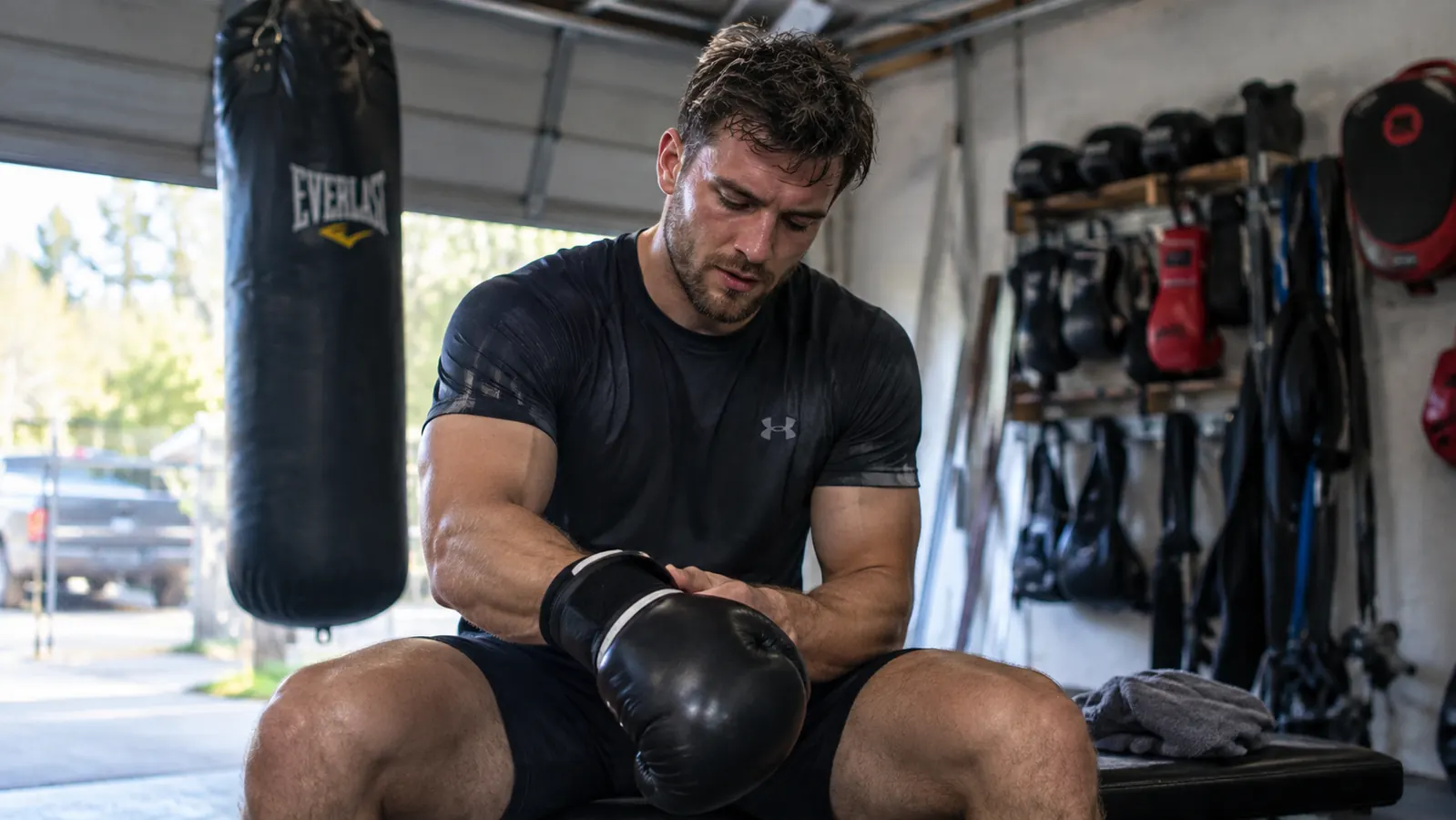
Boxing Gloves
RDX Boxing Gloves Review: Months of Sparring in a Club Setting
Fourteen months, four to five mornings a week, one pair of 18 oz RDX gloves. What held up, what softened, and who should not buy them.
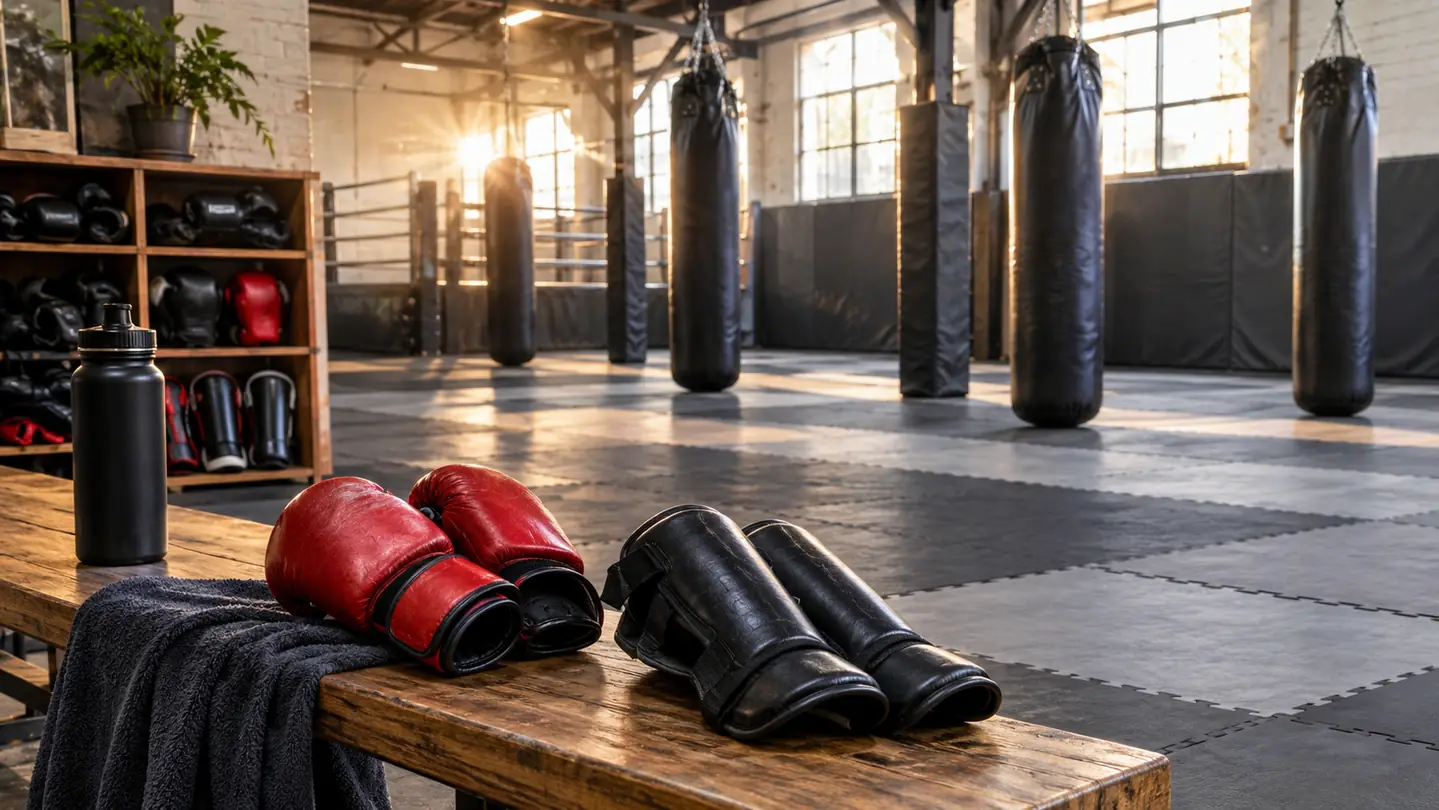
Fourteen months in one pair of RDX gloves, from a coach who has watched a lot of beginners quit over sore hands.
Fourteen months, four to five mornings a week, one pair of 18 oz RDX gloves. What held up, what softened, and who should not buy them.
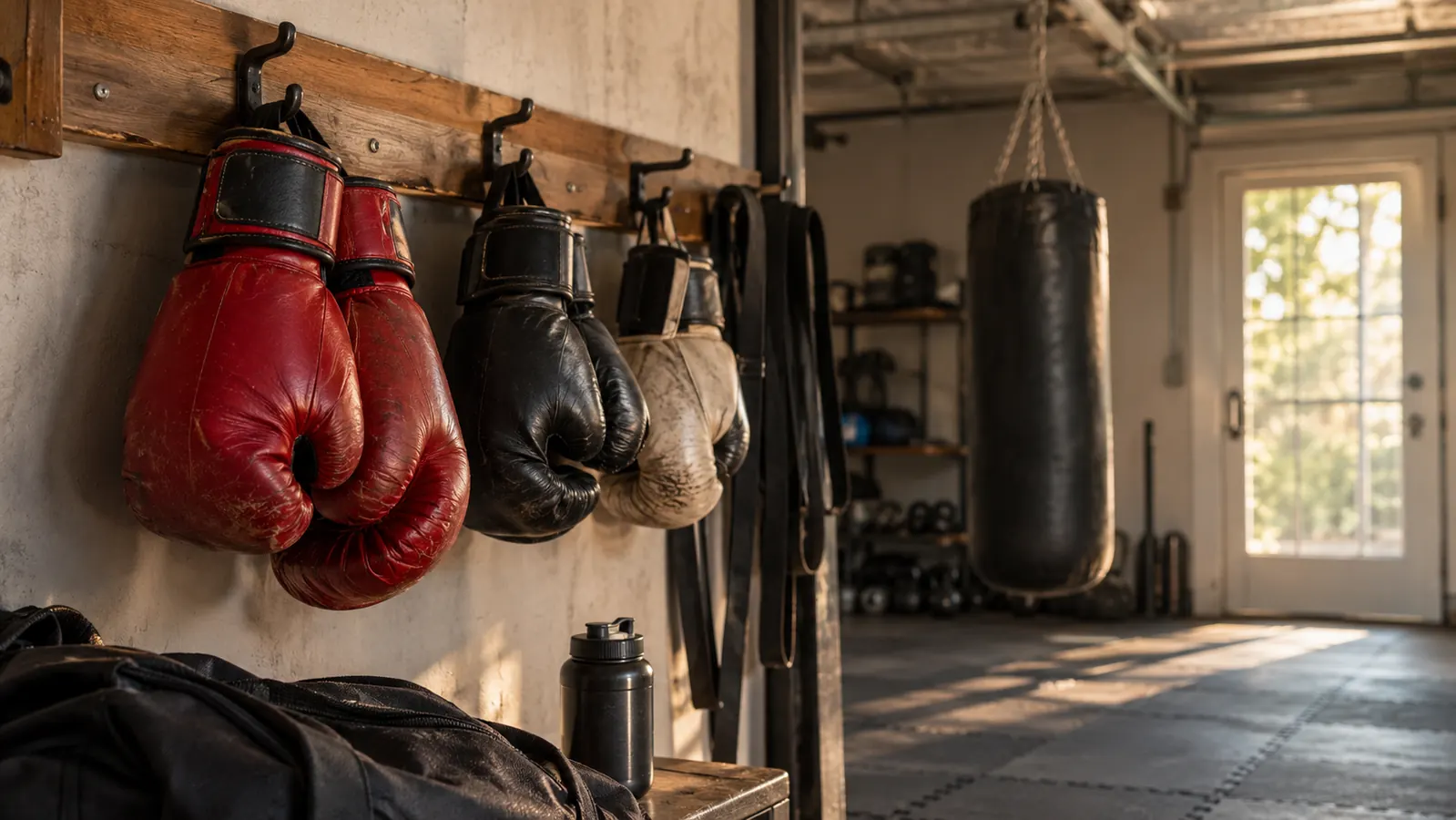
Fourteen months on my own pair, a year of inspecting the other on students' hands, and the two areas where the cheaper glove genuinely wins.
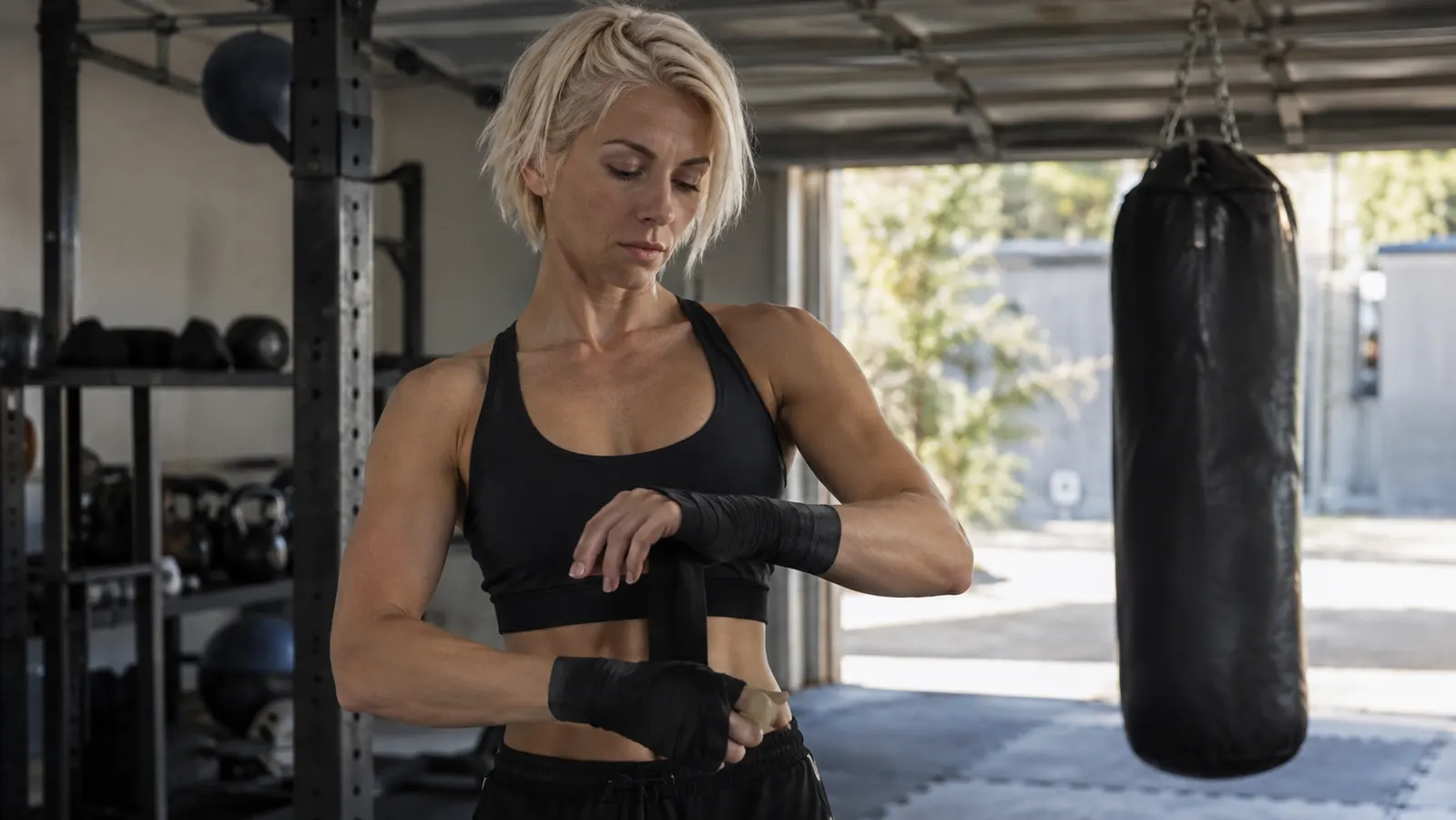
A coach's plain-spoken list, in the order he would explain it to a new student on their first night.

Fourteen months in one pair of RDX gloves, from a coach who has watched a lot of beginners quit over sore hands.
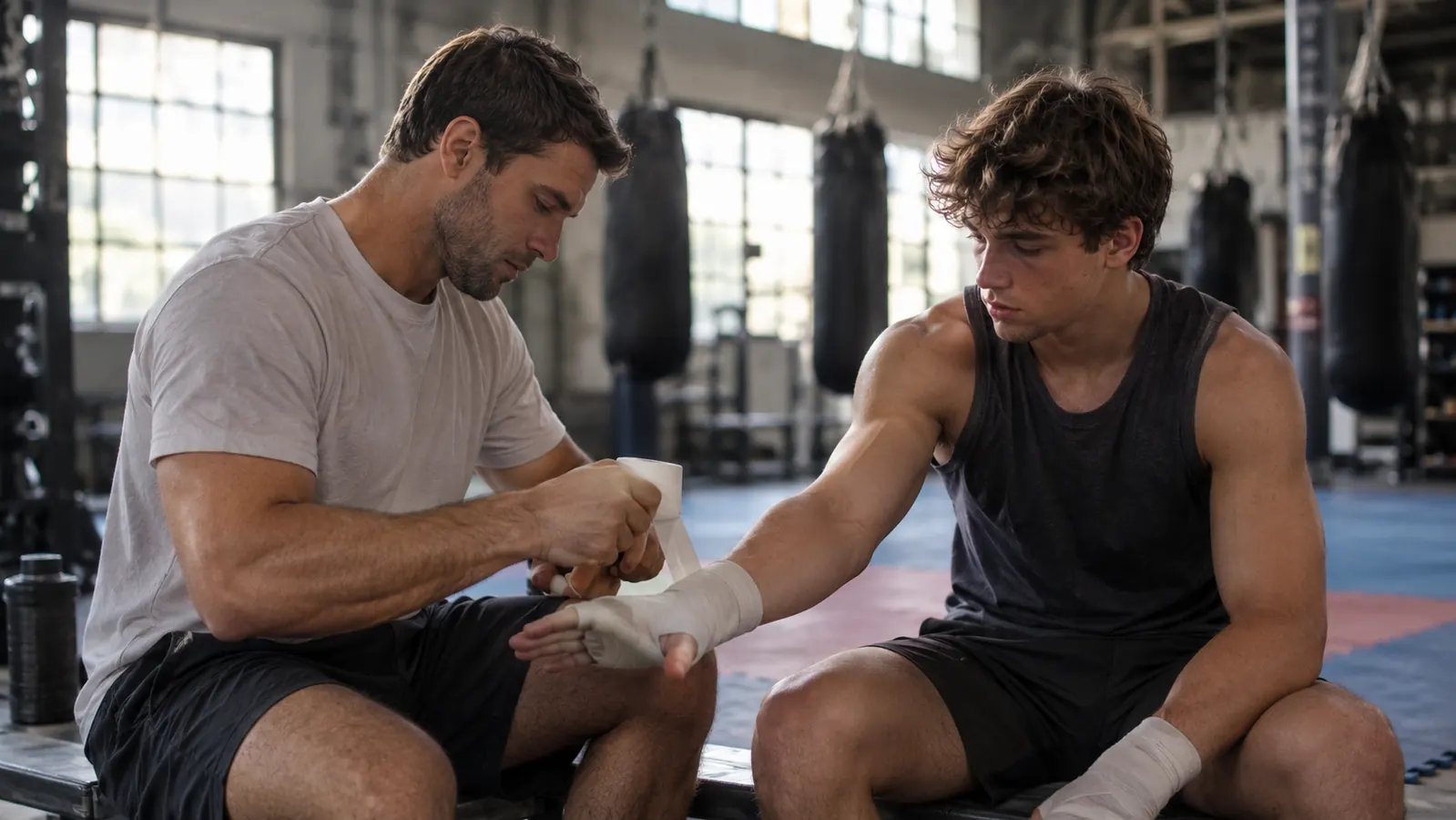
A coach's checklist for picking glove weight, hand compartment fit and shell build, in the order that actually matters.
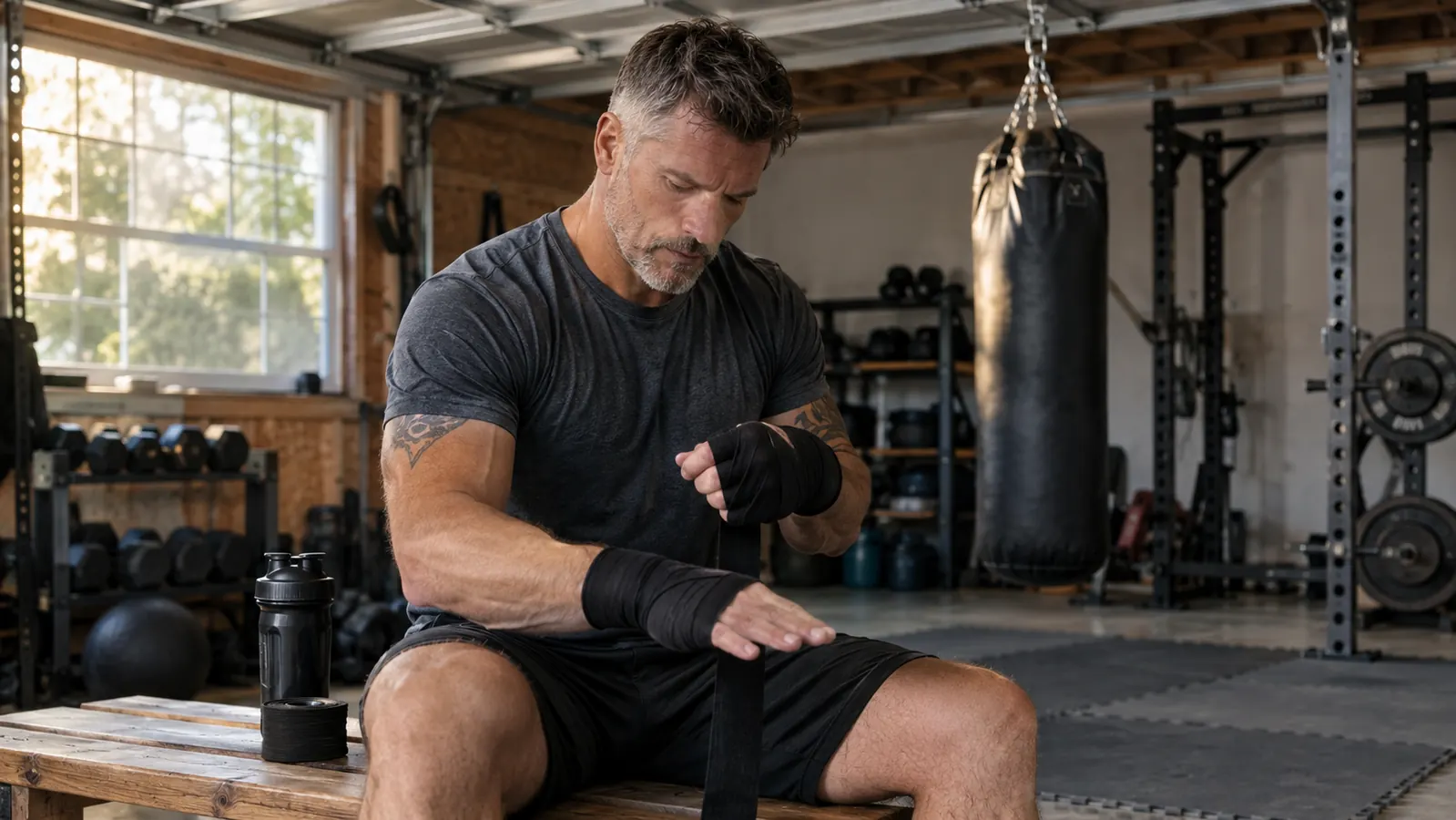
Fourteen months, four mornings a week, one pair of 18 oz gloves and a garage heavy bag. Here is what held up, what softened, what annoyed me, and who should buy something else.
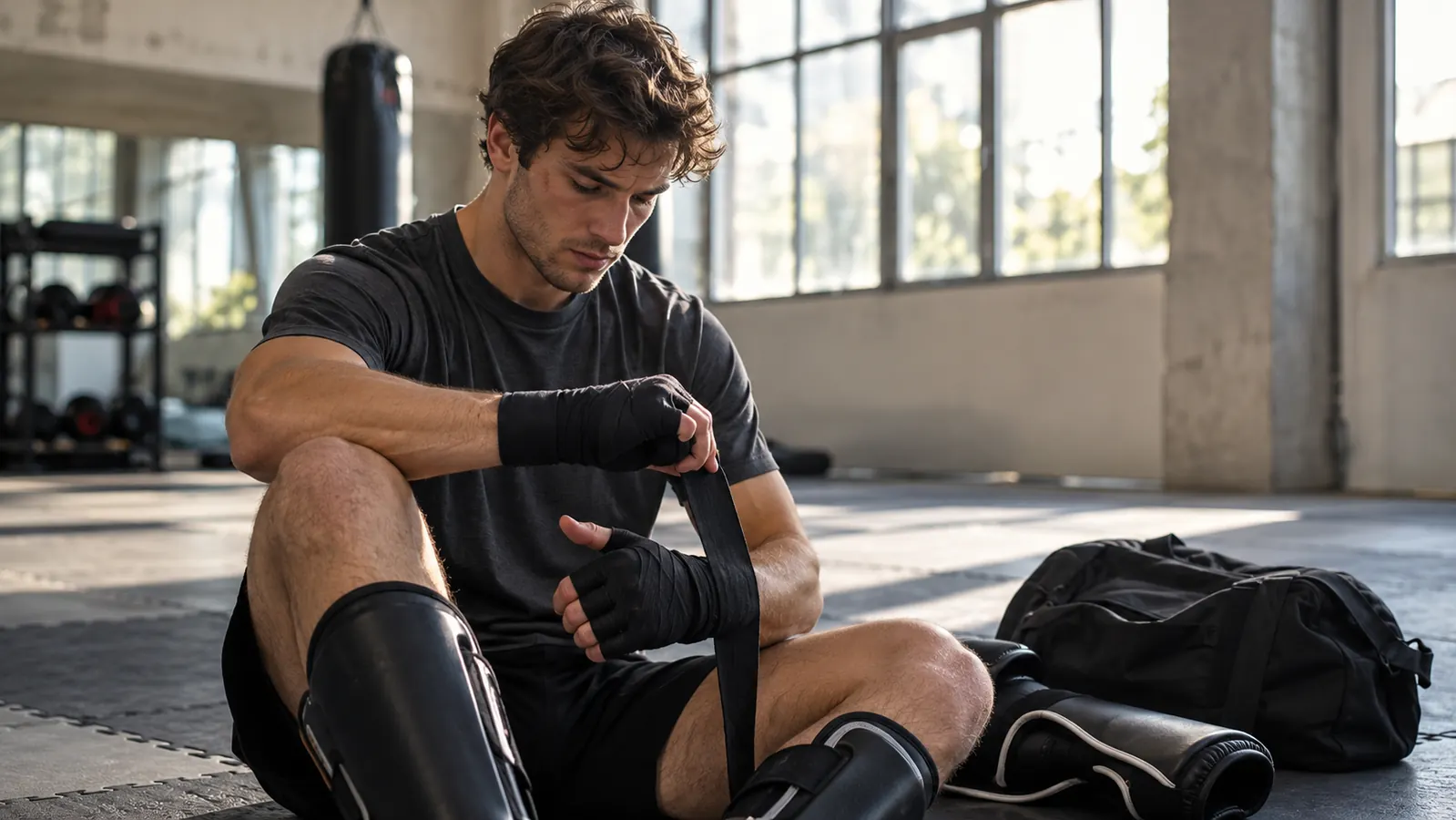
Ten months of twice-weekly class use on a pair of Meister elastic cloth shin and instep guards, including the wear points, the fit problems, and the rounds they are not built for.
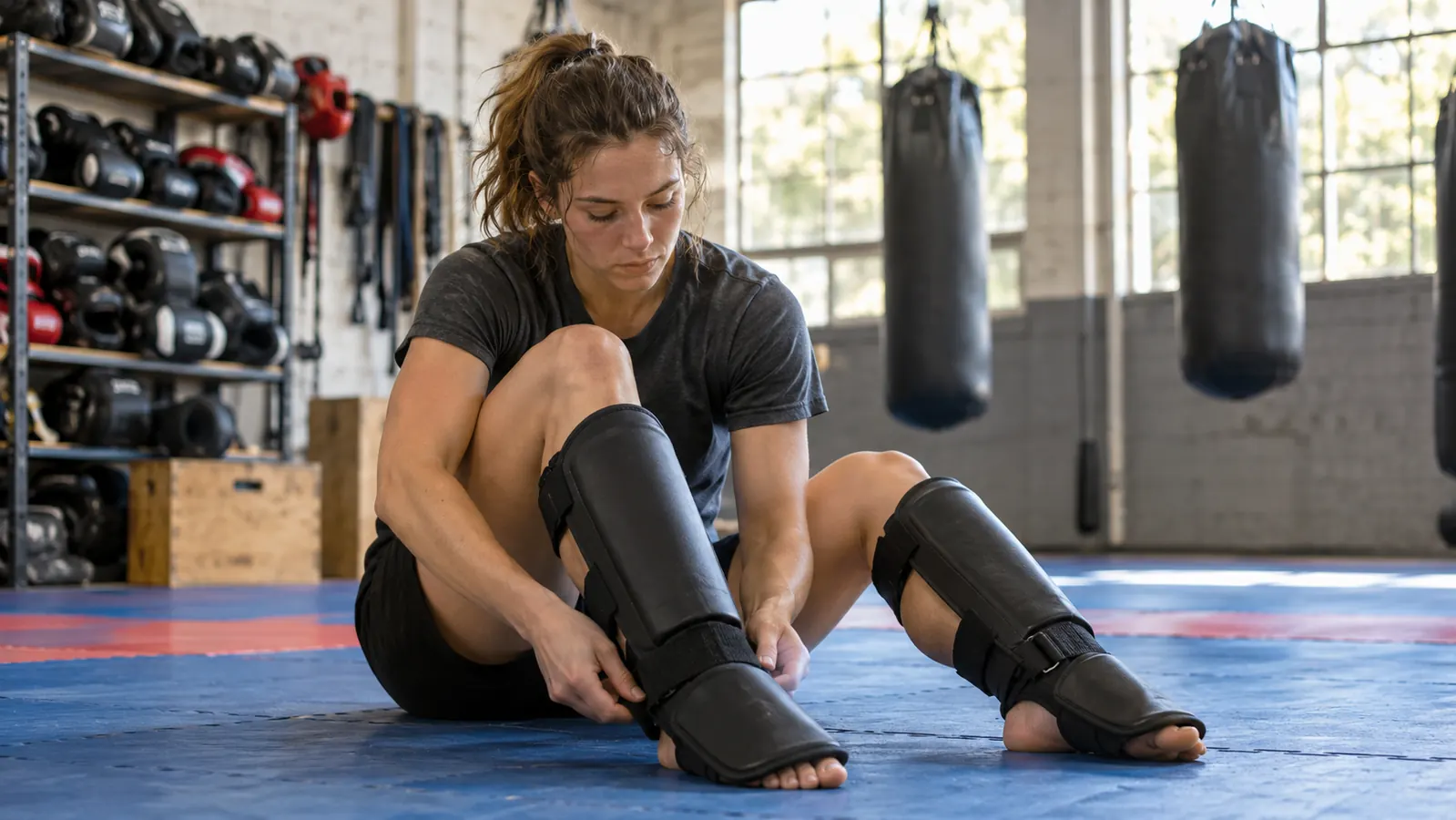
A coach's honest split: which guard teaches you to check, which one saves your leg in a hard round, and why most people who stay with this end up owning both.
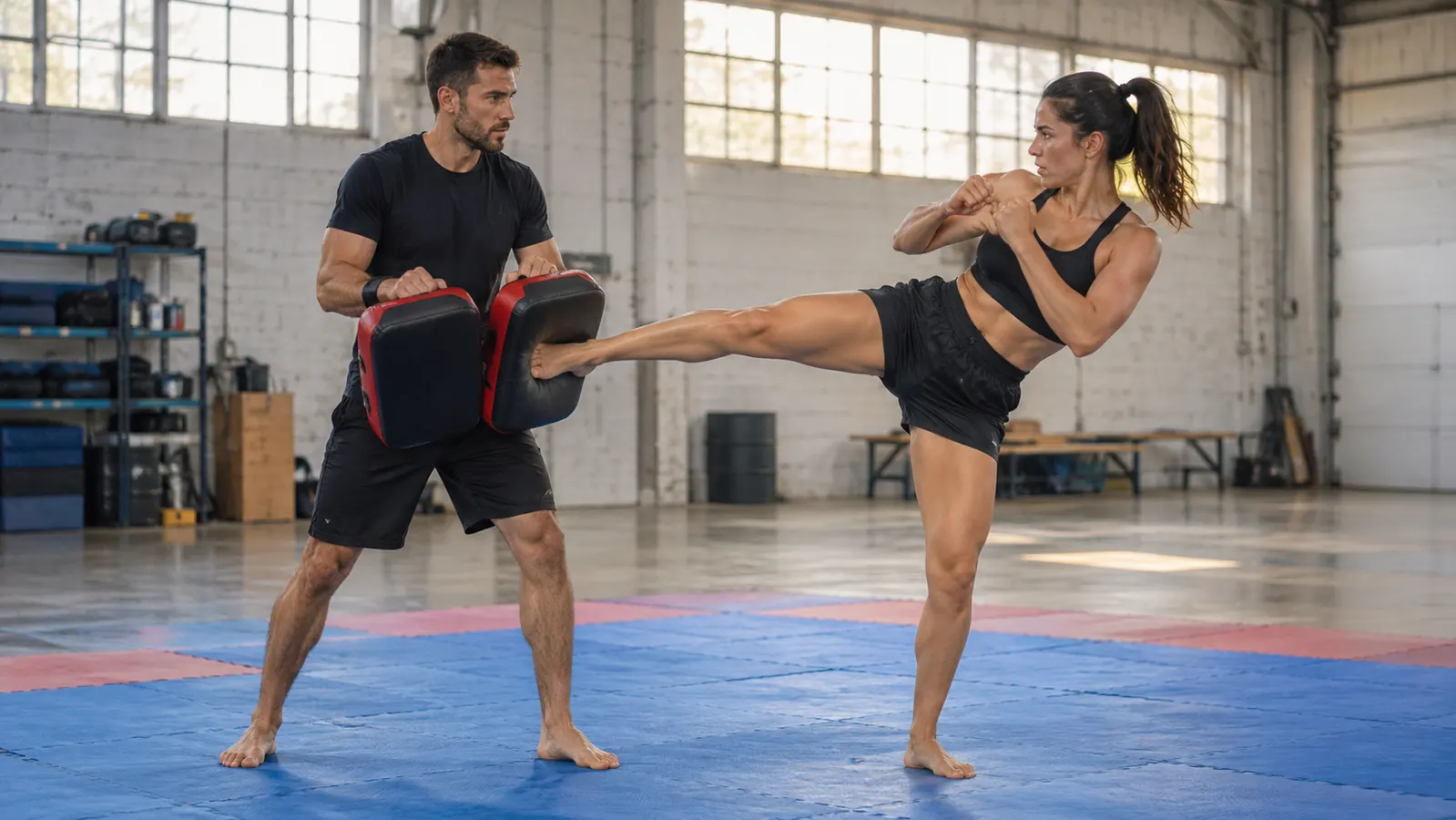
A coach's plain-spoken list, built from ten months of technical sparring and a wall rack full of borrowed gear.

A coach with an old knee injury explains why he wears padded slip-on shin guards for kick checks, what they do not fix, and what he tells students who ask.
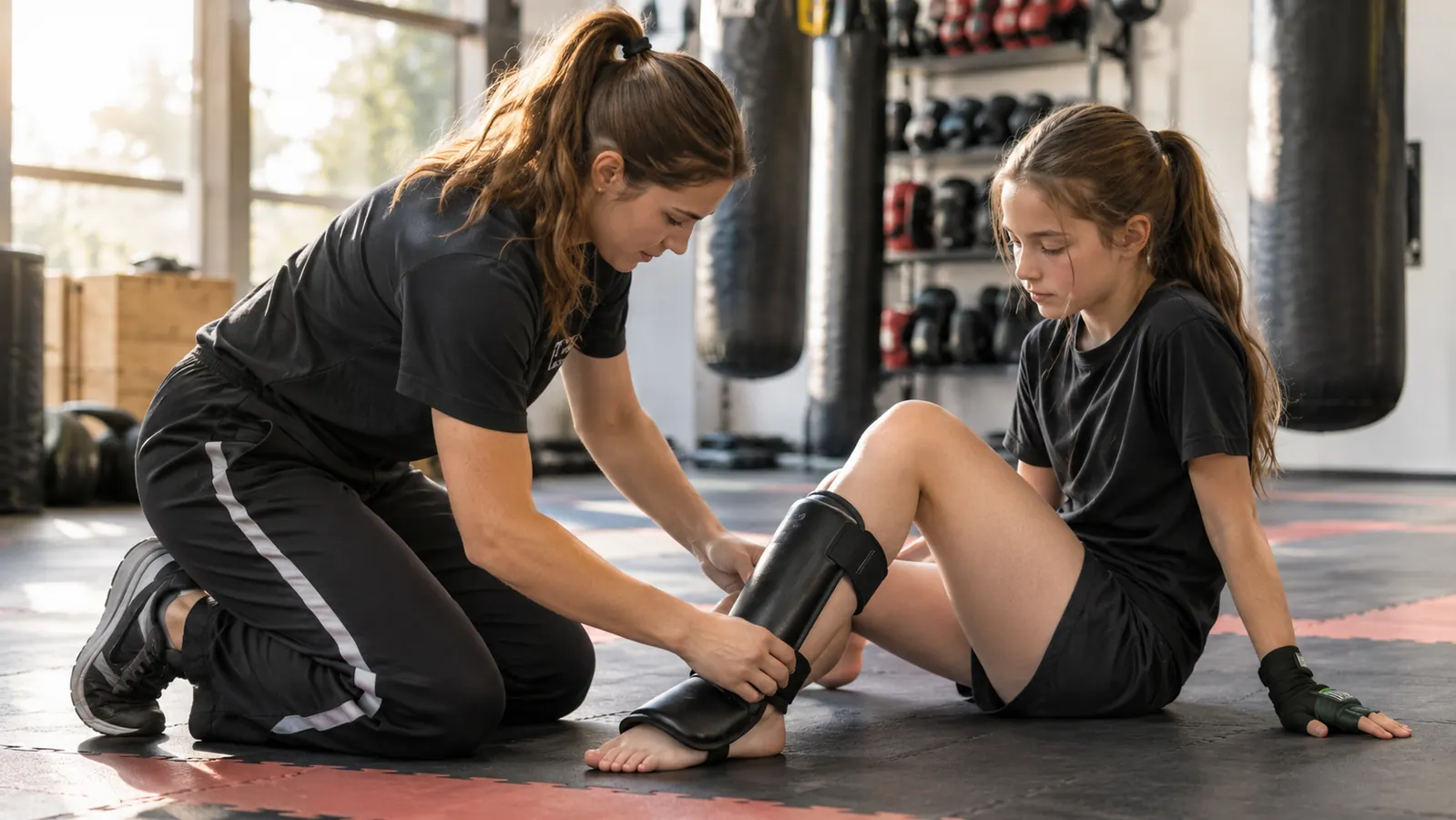
Ten months in a pair of Meister slip-on guards taught me that almost every fit problem starts at the top strap and the instep, not the padding.
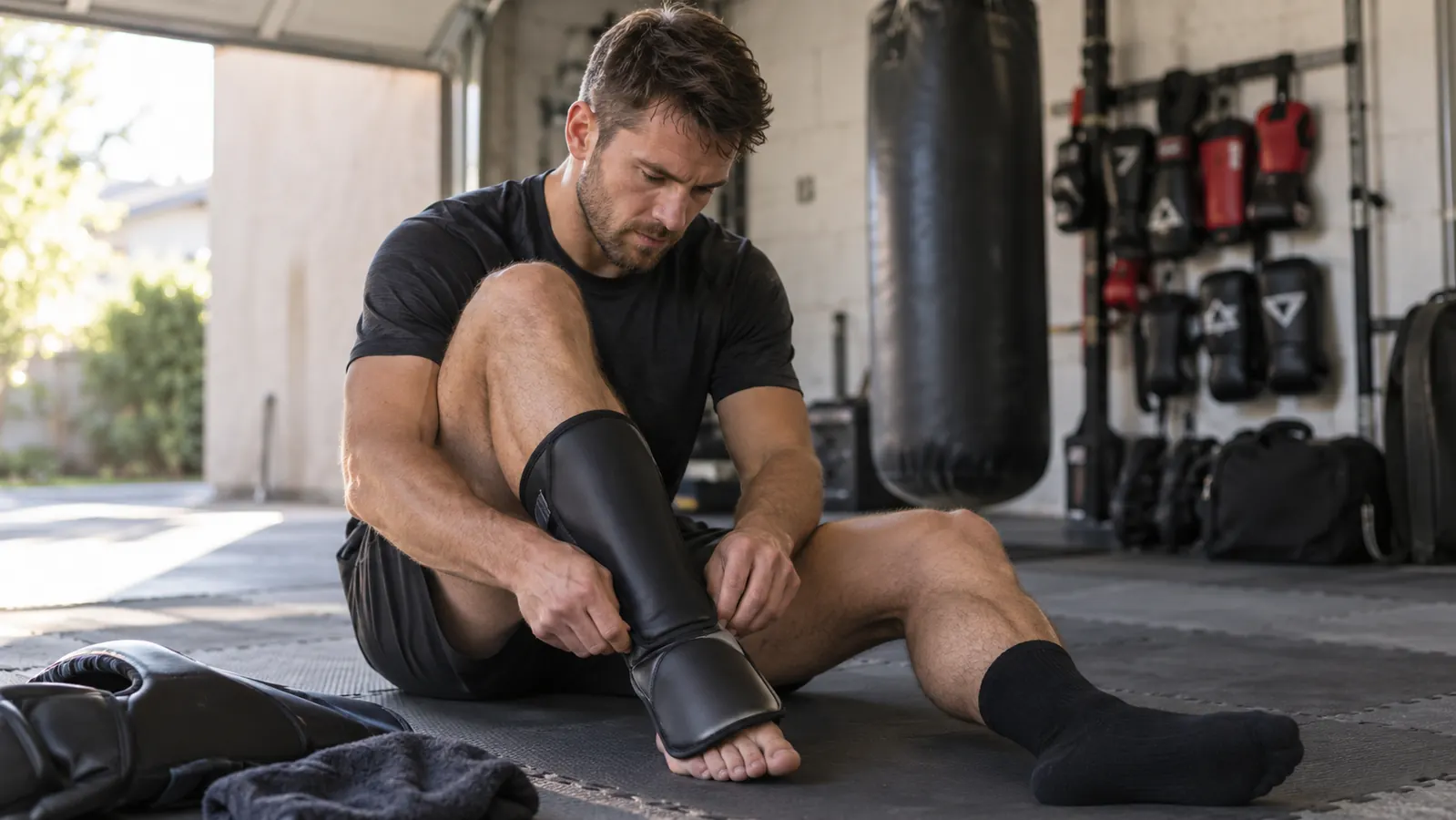
Ten months, six different legs, and about twenty hand washes. What the elastic cloth guards actually protect, what they do not, and who should buy something harder.
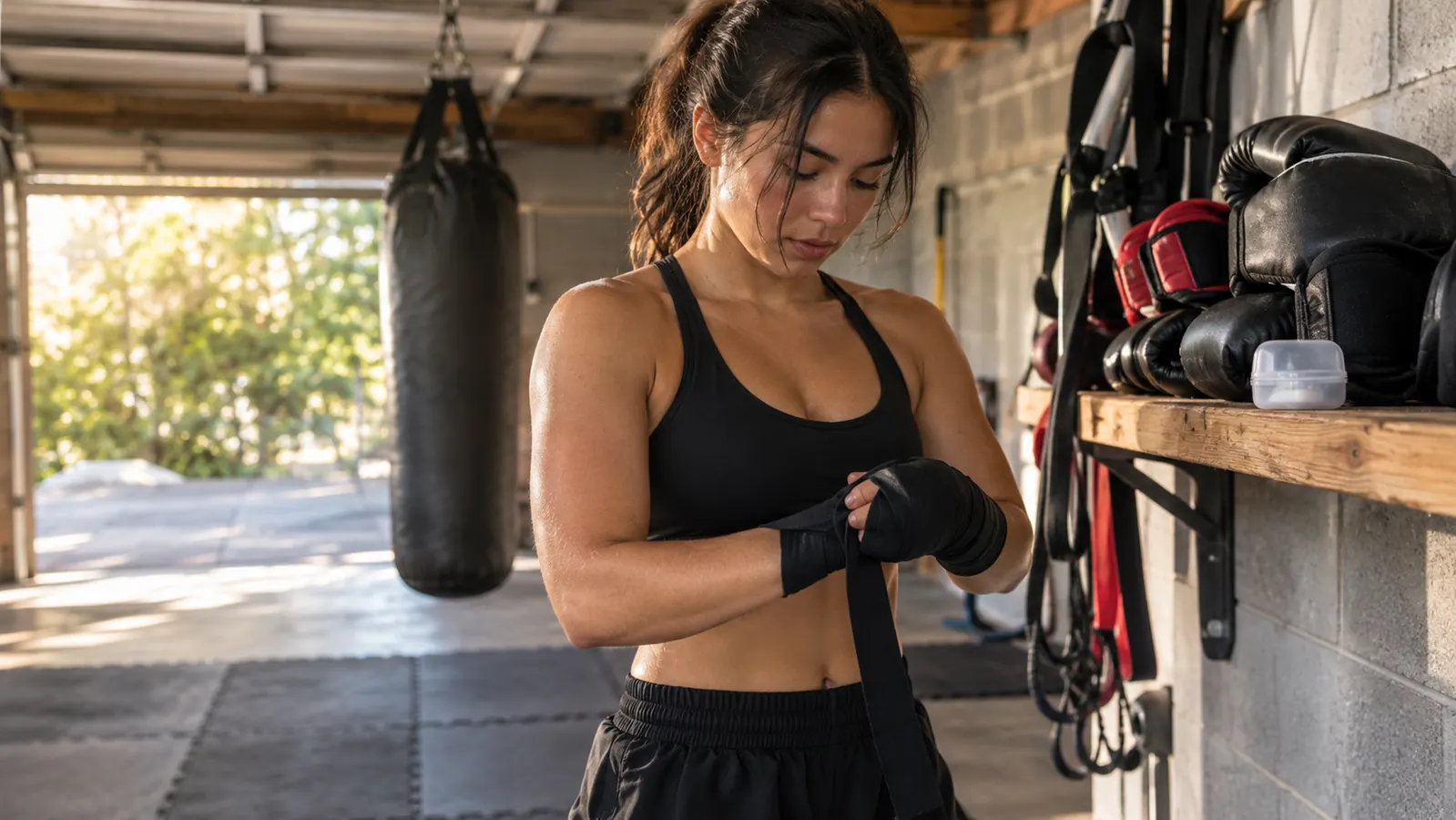
Five months, four to five sessions a week, one season of sparring rounds. Where the Gel Max holds up, and where it stops.
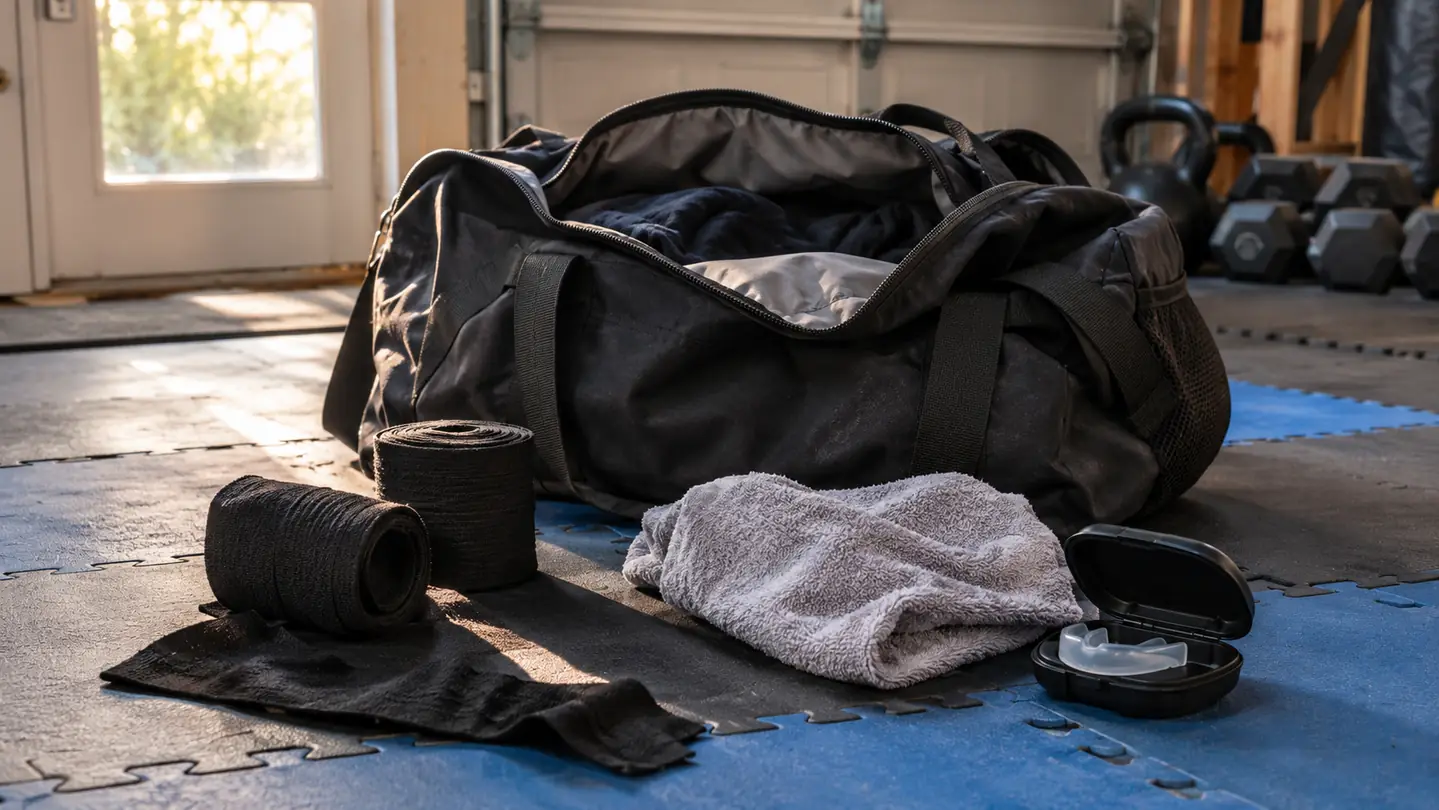
A coach who fits guards for 60 members a week on where the Shock Doctor Gel Max earns its place, and where a plain single-layer boil-and-bite is the smarter buy.
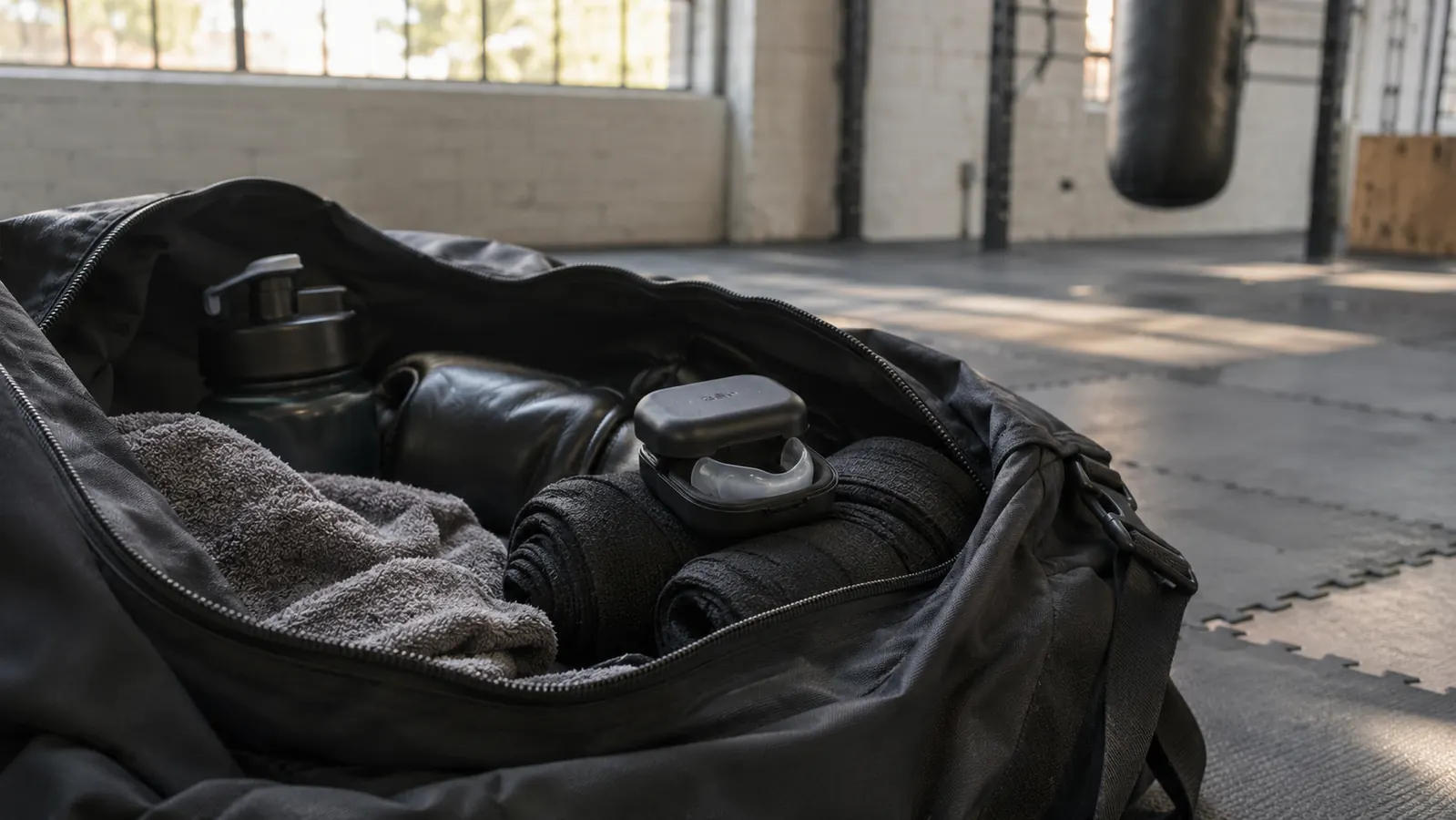
A coach's practical list, from a club where about 40 adults and 20 kids cycle through the same mats every week.
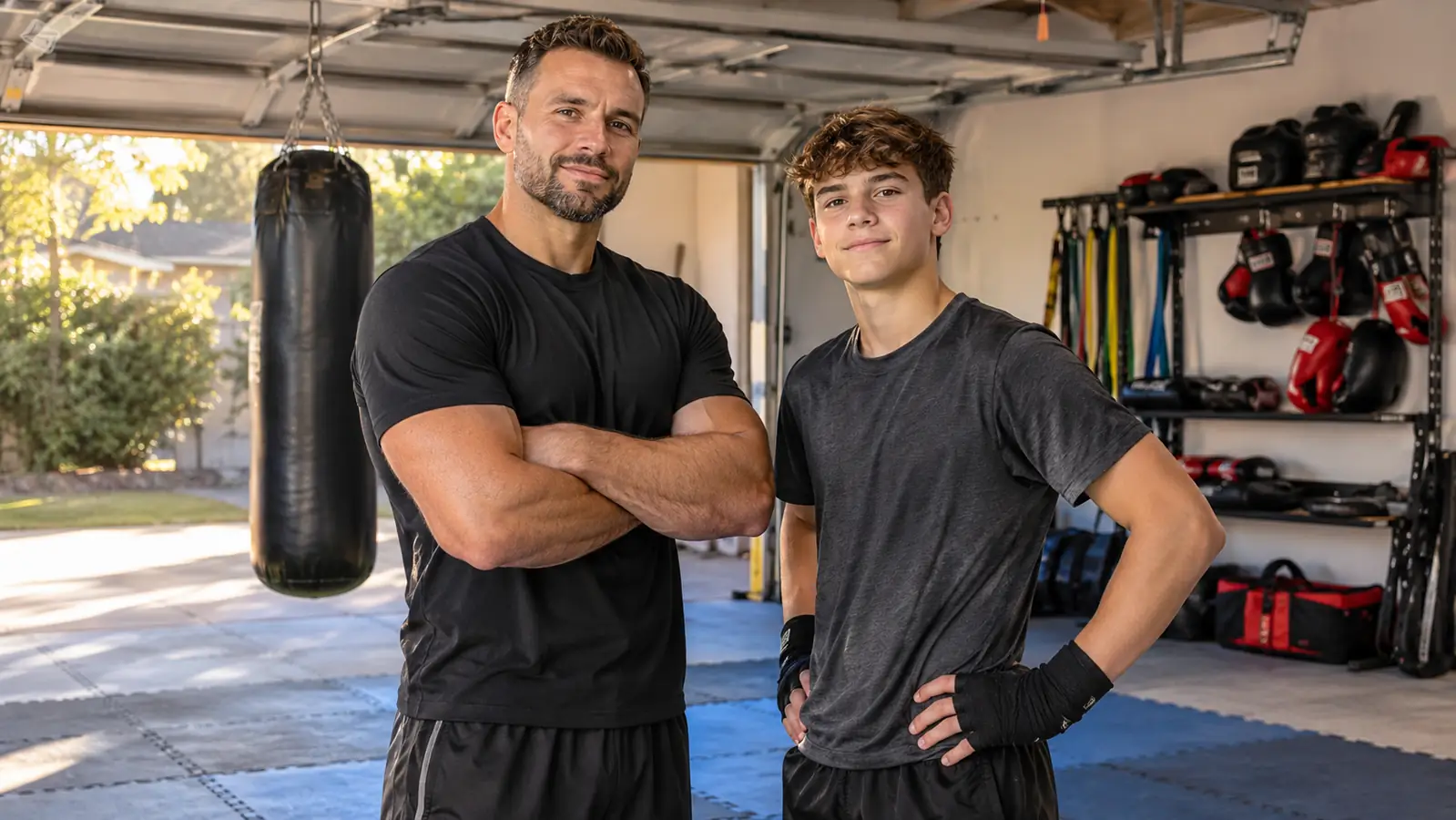
Fifteen years of coaching, one chipped front tooth, and the guard that finally stopped the Tuesday argument.
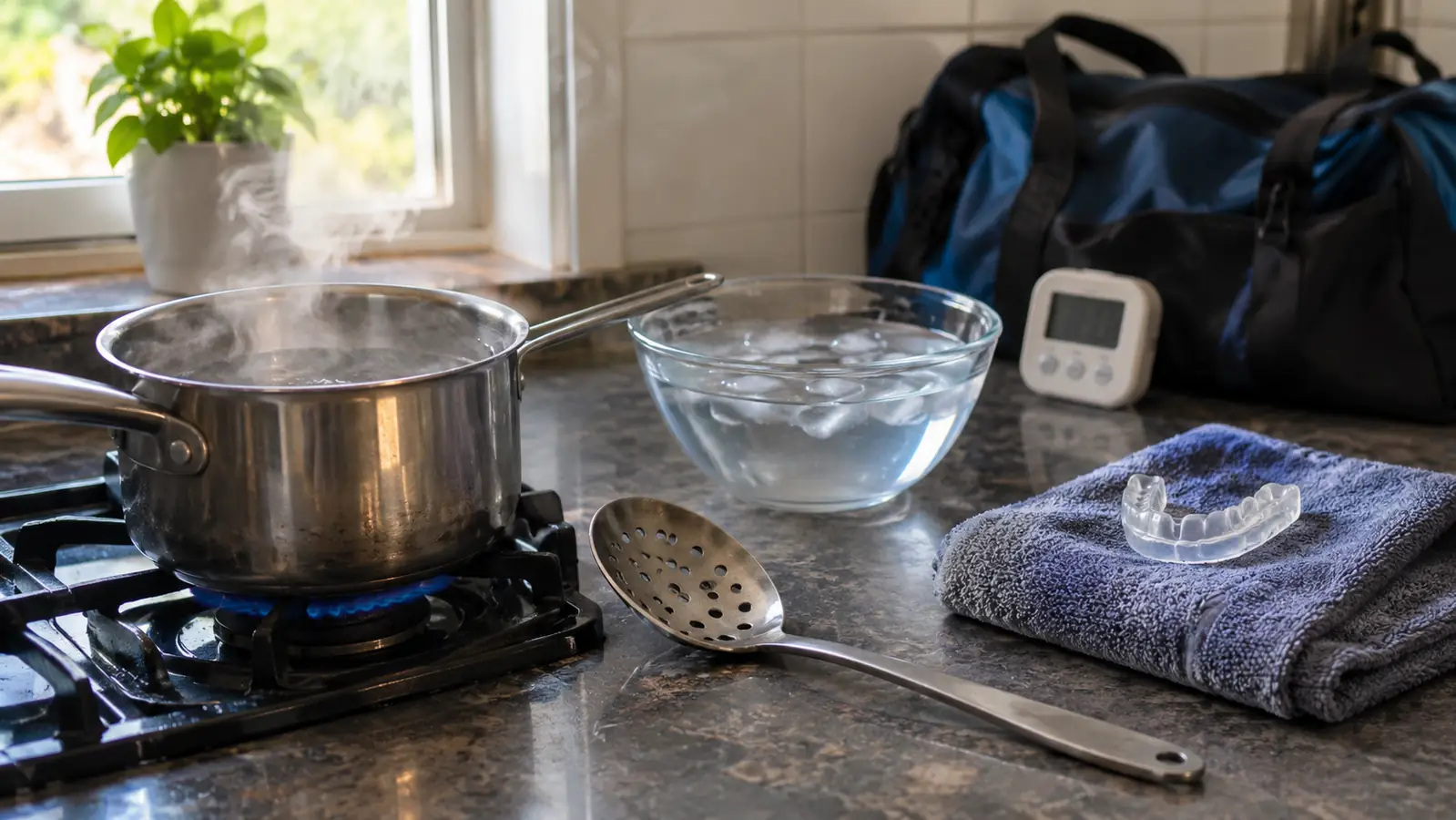
Ten minutes at the kitchen counter decides whether your guard stays in for the whole round or ends up on the mat twice a night.

Five months of sparring rounds, one ruined first fitting, and the parts of the Gel Max that the listing leaves out.
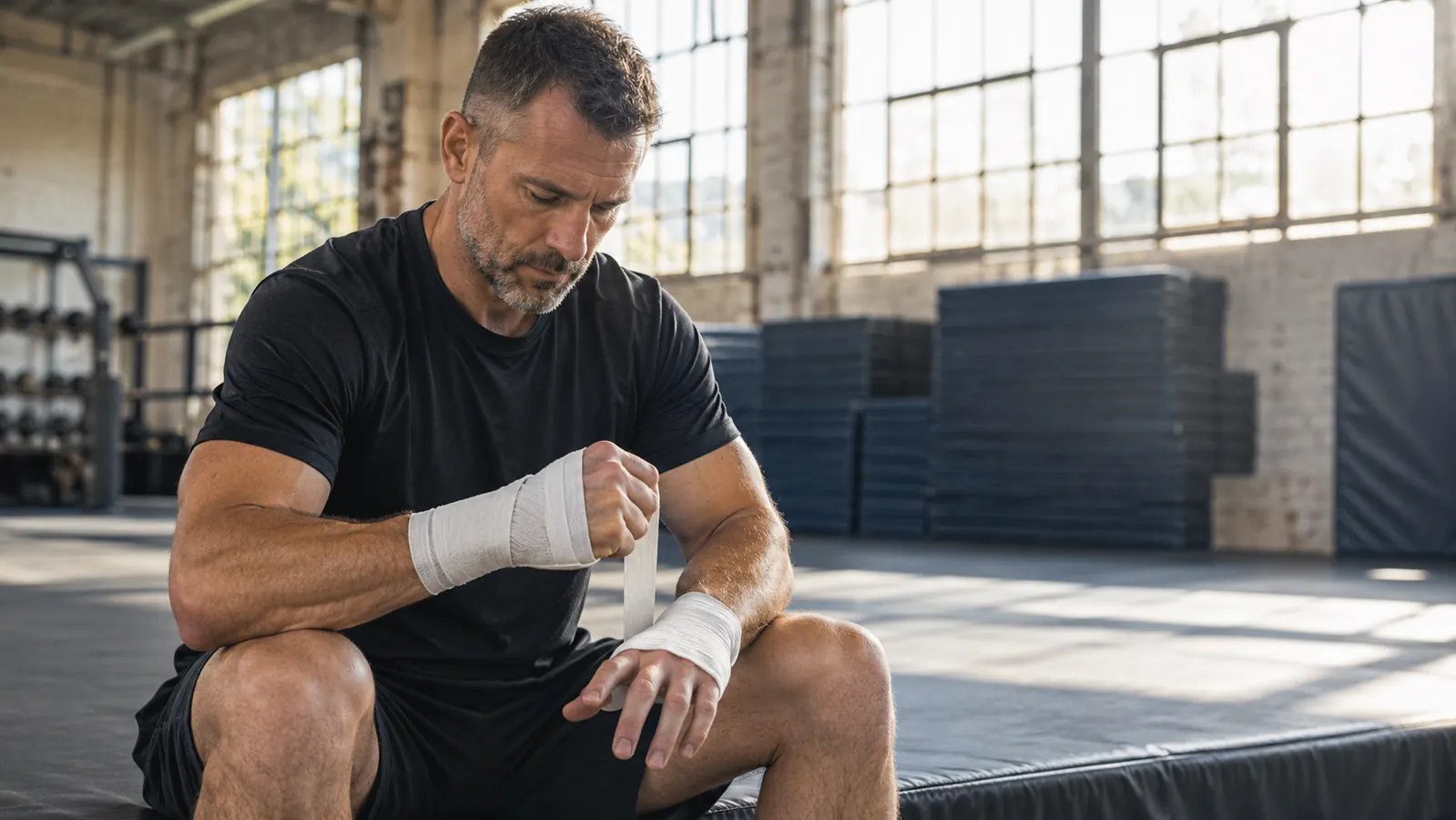
Two shirts, eight months of Monday and Wednesday no-gi, and an honest accounting of what held up and what did not.
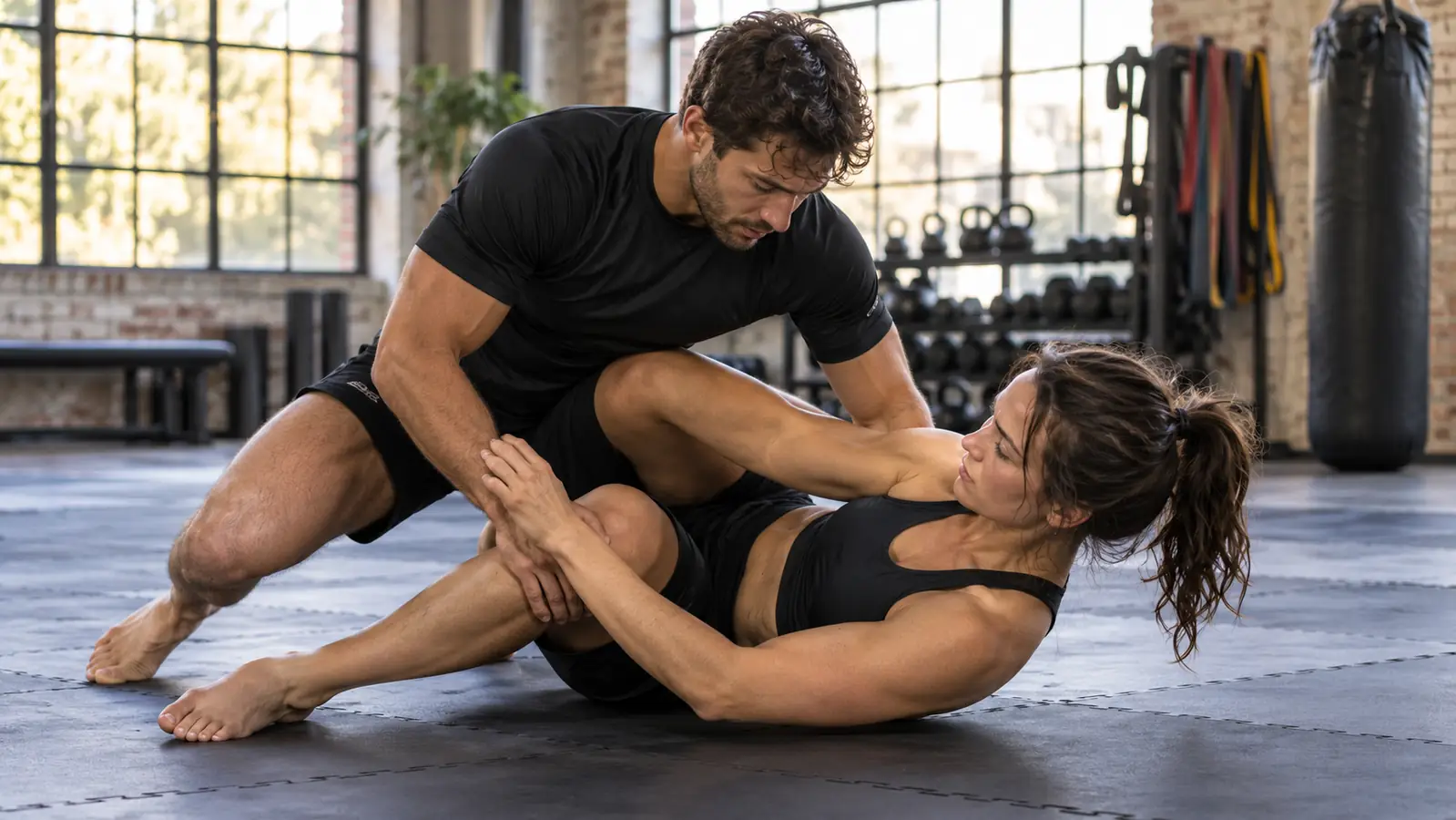
A coach who owns two of them, and has rolled with plenty of the other kind, on which shirt actually earns its place in the gear bag.
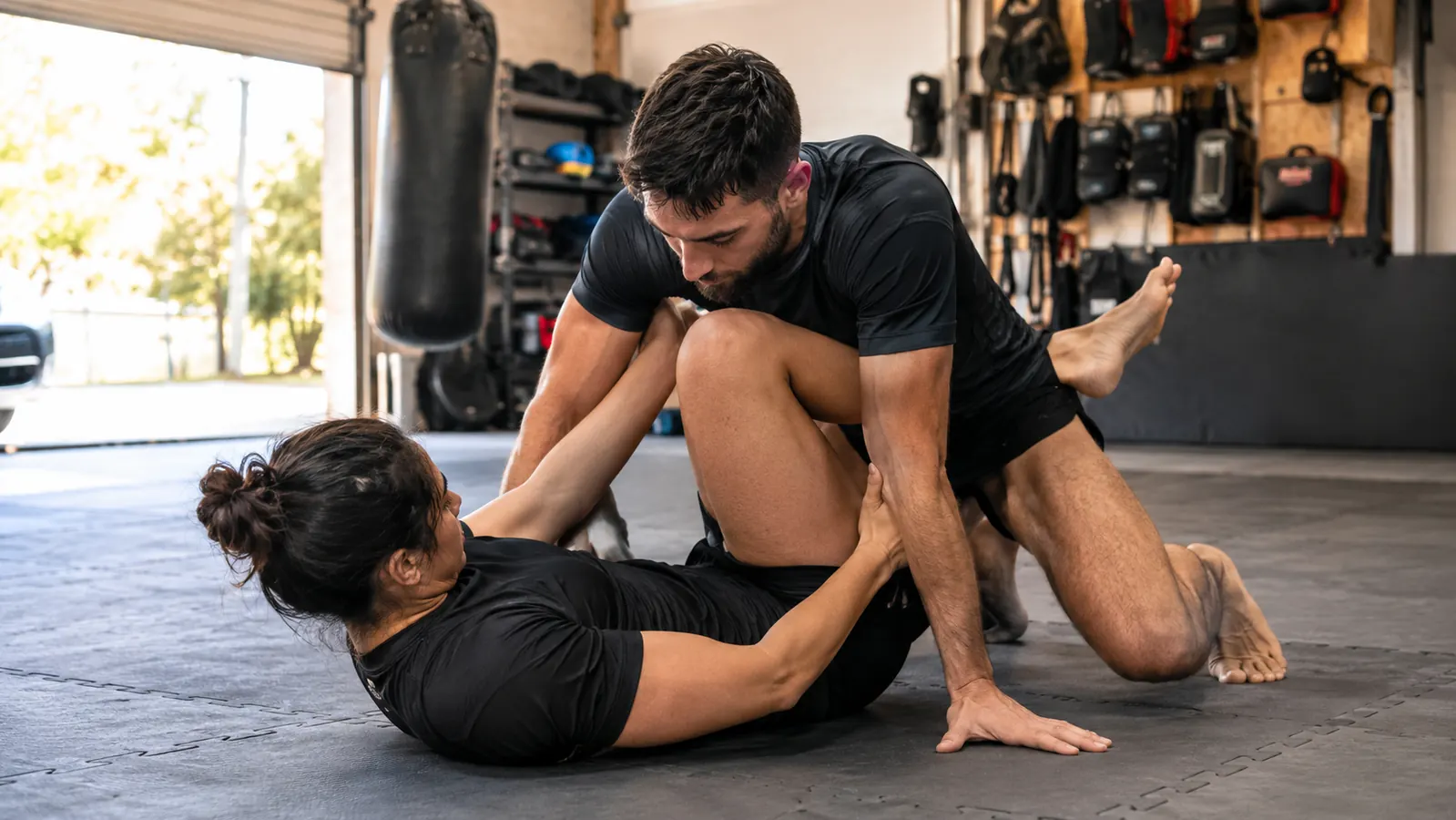
Ten things a compression layer actually does for you on the mat, from mat burn to grip fighting, plus the parts I would not bother with.
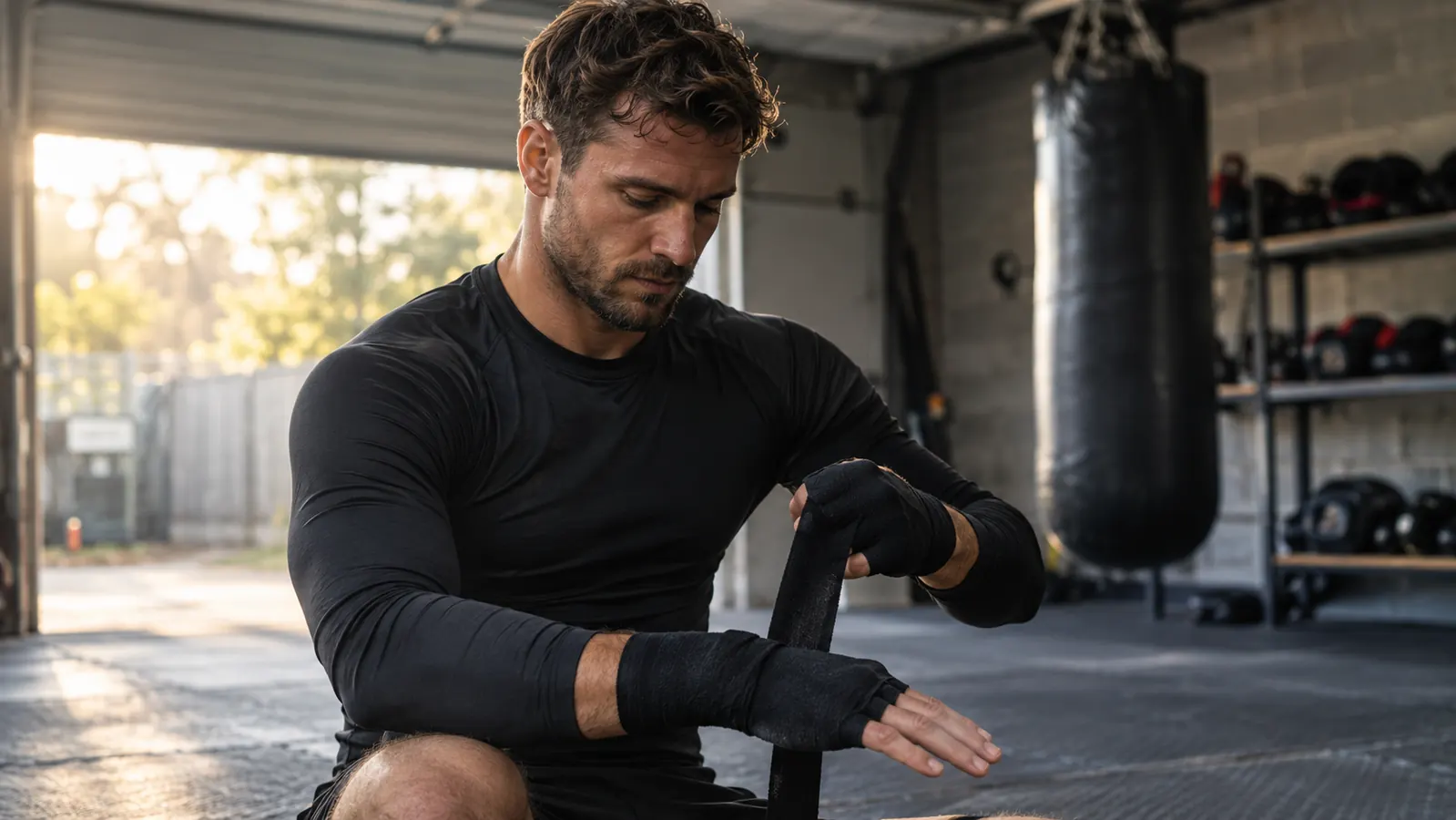
I bought two of them to save the good one for competition. Eight months later the good one is folded at the bottom of the rack.
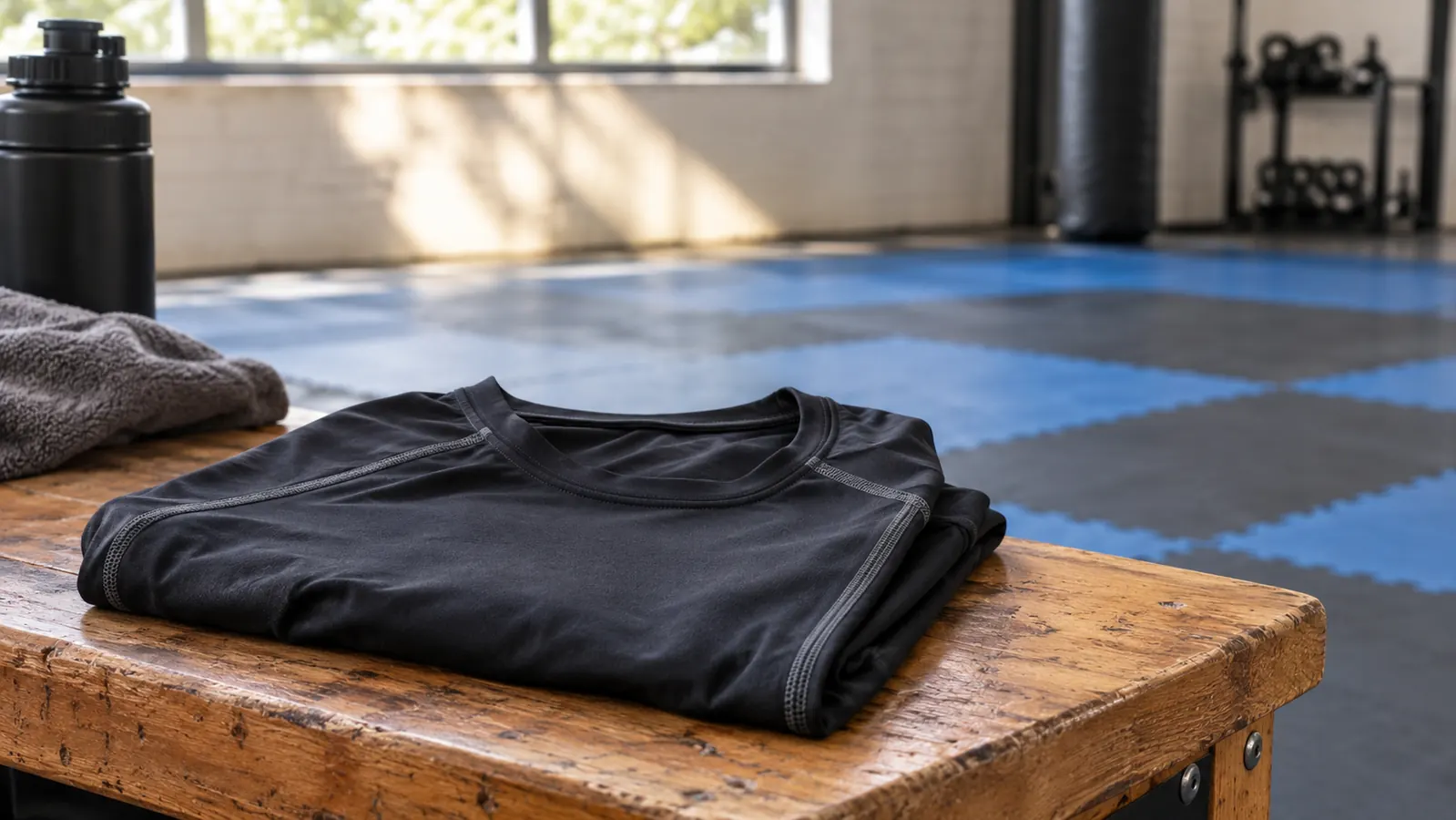
A coach's actual routine for keeping a long sleeve compression shirt fitting like a baselayer instead of a rag, built around two shirts, cold water and a drying rack.
Eight months, two shirts, a cold wash after every session. Here is what held up, what dulled, and the sizing problem nobody puts in the listing.
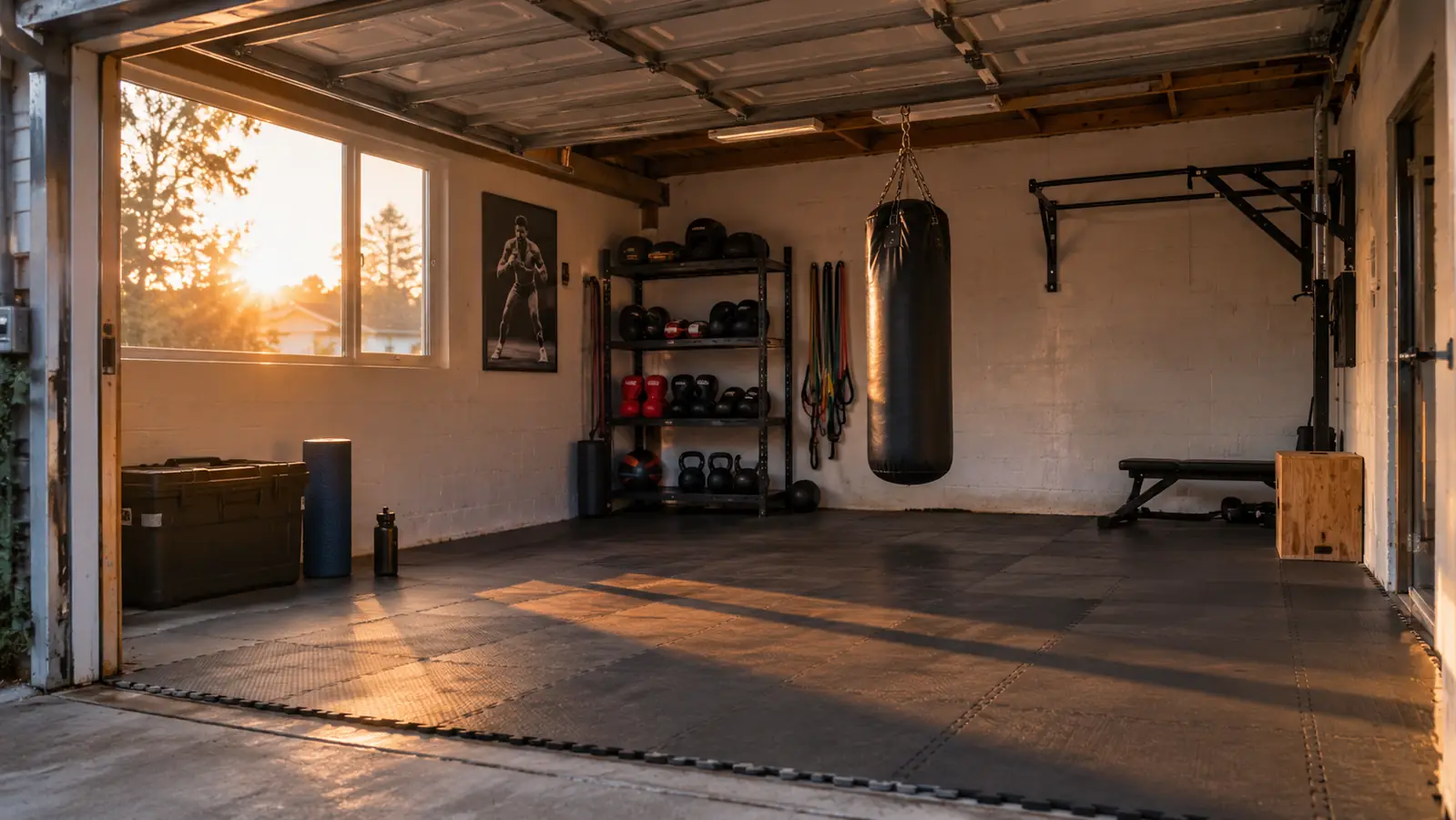
Two years on a concrete slab, one of them paying close attention. Where the foam held, where it flattened, and the two seams I tape every few months.
A coach who uses both, in the same week, explains which one belongs in your garage and which one belongs in a training room.
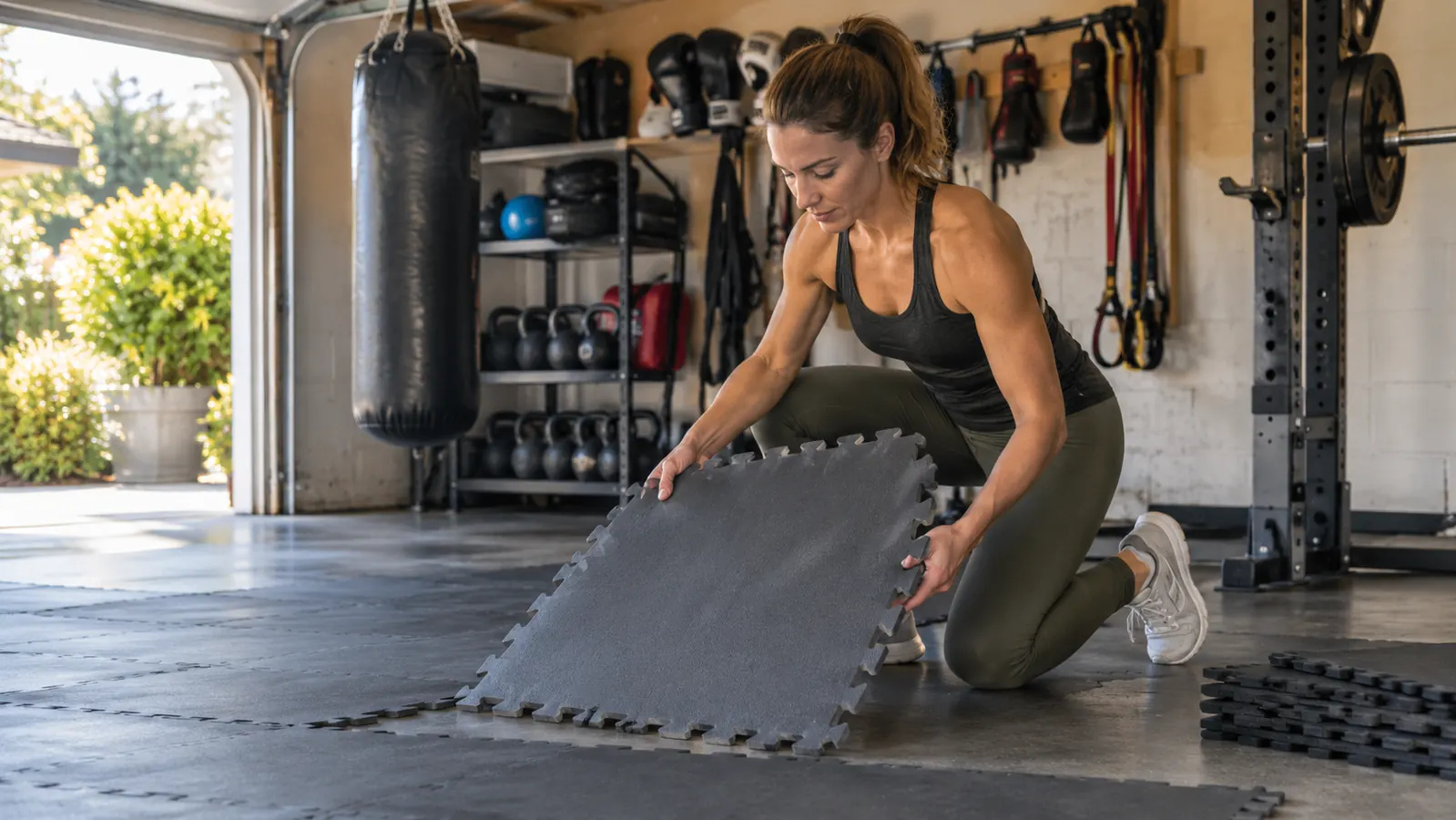
A coach's practical notes on two years of training on half-inch EVA tiles over garage concrete, what they fix, and what they were never meant to do.
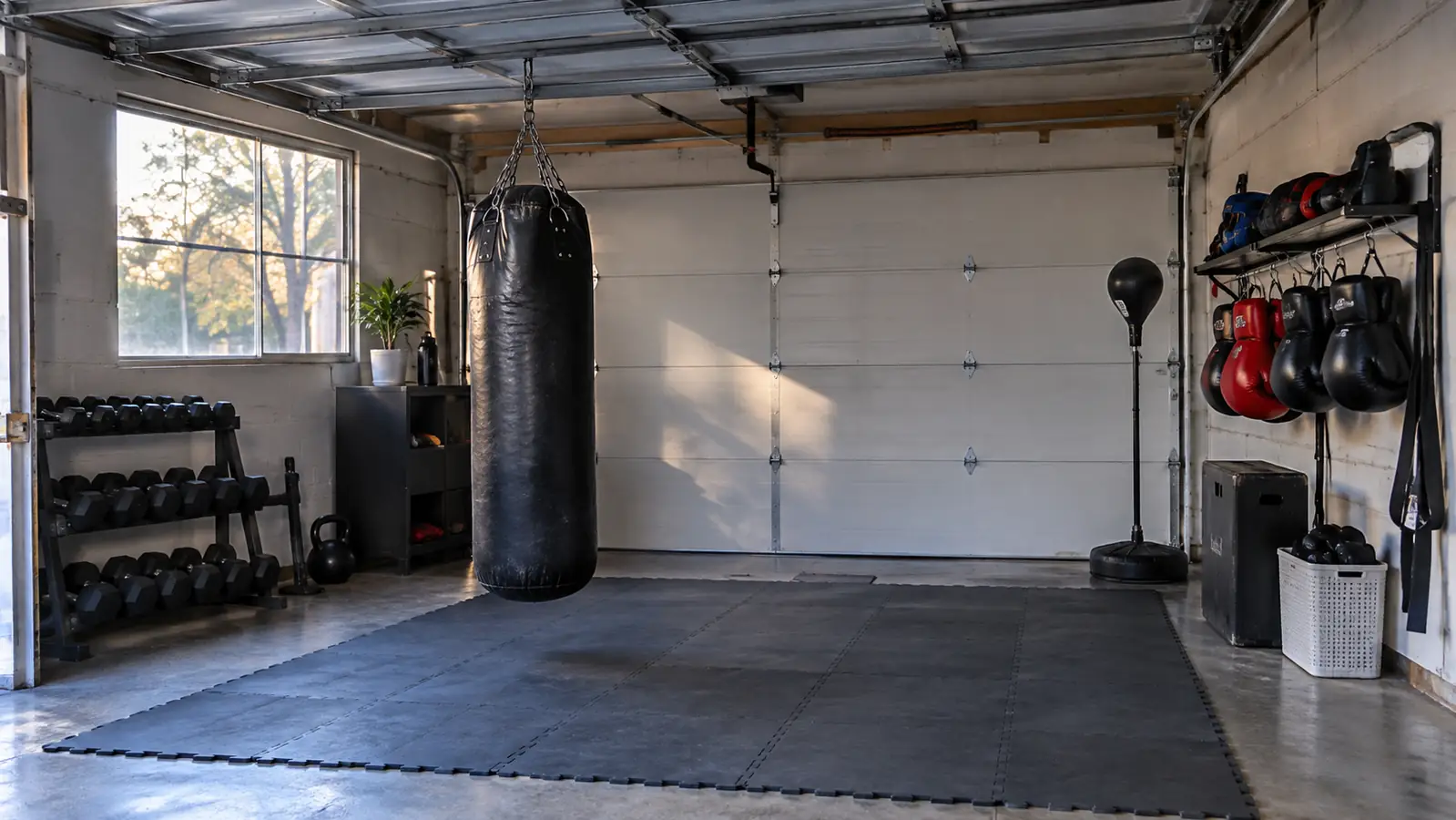
Two years of early mornings on half-inch interlocking foam, and the honest list of what it fixed and what it will never be thick enough for.
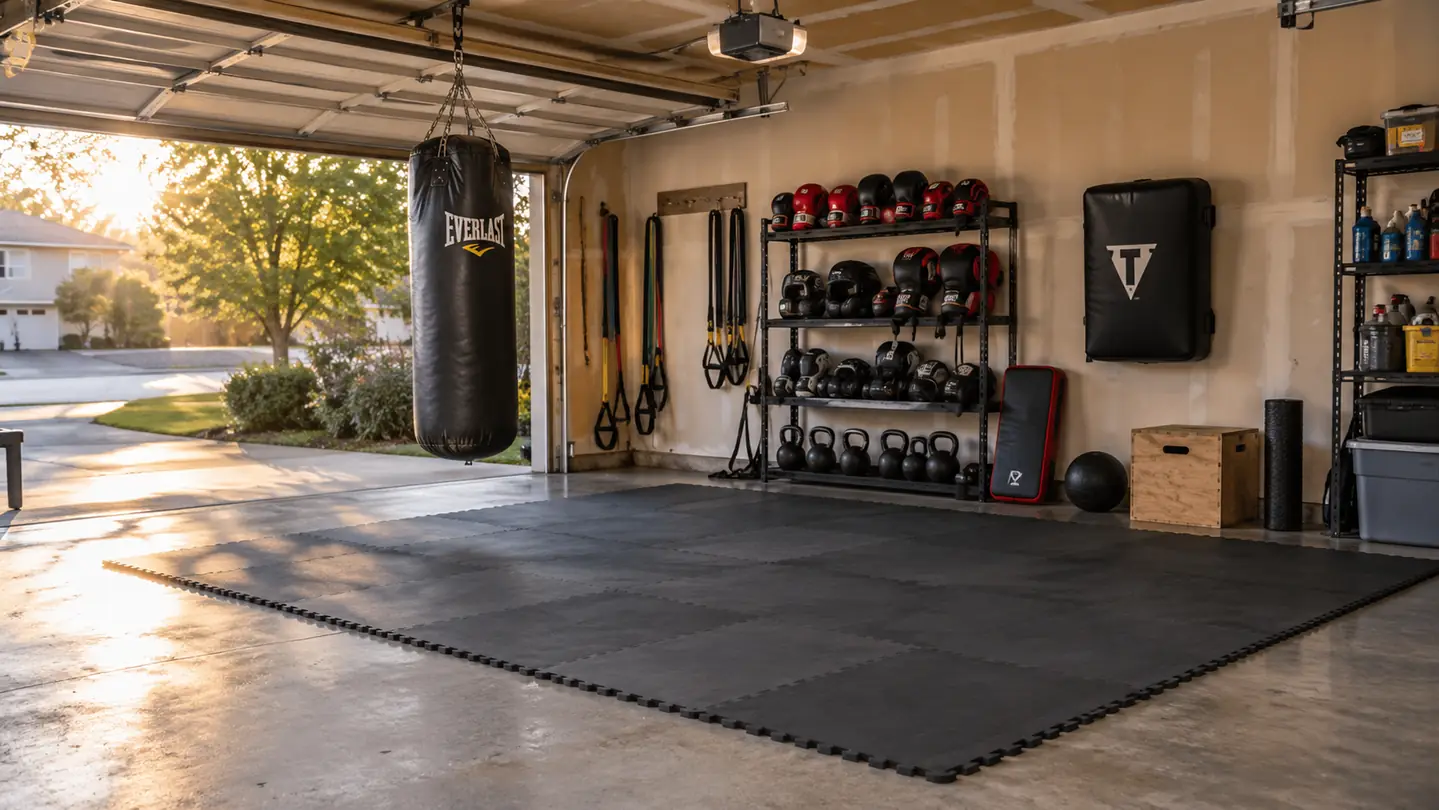
A coach's order of operations for turning a bare concrete garage slab into a floor you can actually train on: measuring the footprint, testing the slab, buying tiles by the square foot, and setting the room up around the mat instead of on top of it.
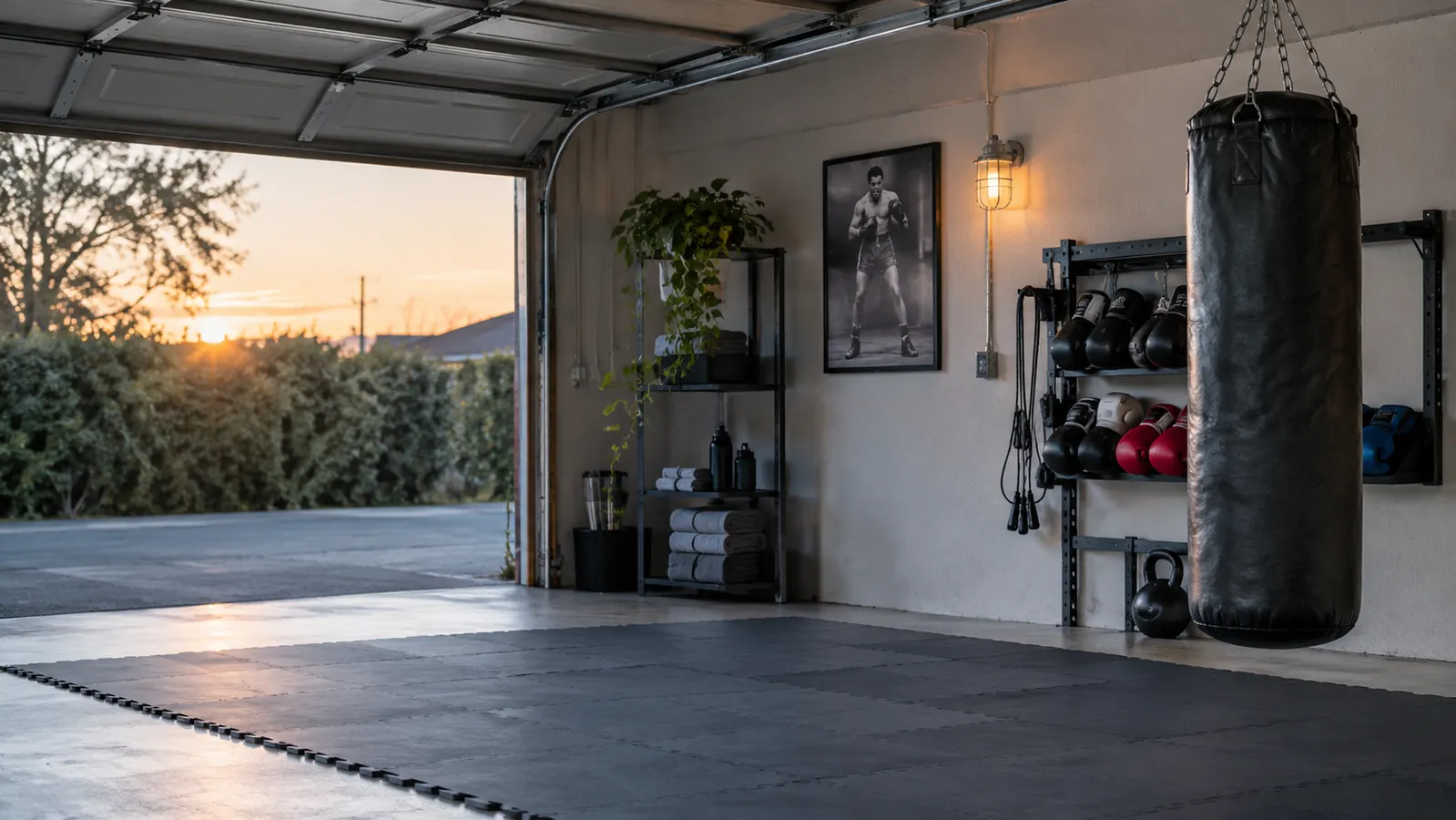
Two years, one garage slab, and a lot of footwork. What holds up, what creeps, and the exact jobs these half-inch tiles should never be asked to do.
Fourteen months, four to five mornings a week, one pair of 18 oz RDX gloves. What held up, what softened, and who should not buy them.
Fourteen months, four mornings a week, one pair of 18 oz gloves and a garage heavy bag. Here is what held up, what softened, what annoyed me, and who should buy something else.
Ten months of twice-weekly class use on a pair of Meister elastic cloth shin and instep guards, including the wear points, the fit problems, and the rounds they are not built for.
Ten months, six different legs, and about twenty hand washes. What the elastic cloth guards actually protect, what they do not, and who should buy something harder.
Five months, four to five sessions a week, one season of sparring rounds. Where the Gel Max holds up, and where it stops.
Five months of sparring rounds, one ruined first fitting, and the parts of the Gel Max that the listing leaves out.
Two shirts, eight months of Monday and Wednesday no-gi, and an honest accounting of what held up and what did not.
Eight months, two shirts, a cold wash after every session. Here is what held up, what dulled, and the sizing problem nobody puts in the listing.
Two years on a concrete slab, one of them paying close attention. Where the foam held, where it flattened, and the two seams I tape every few months.
Two years, one garage slab, and a lot of footwork. What holds up, what creeps, and the exact jobs these half-inch tiles should never be asked to do.