
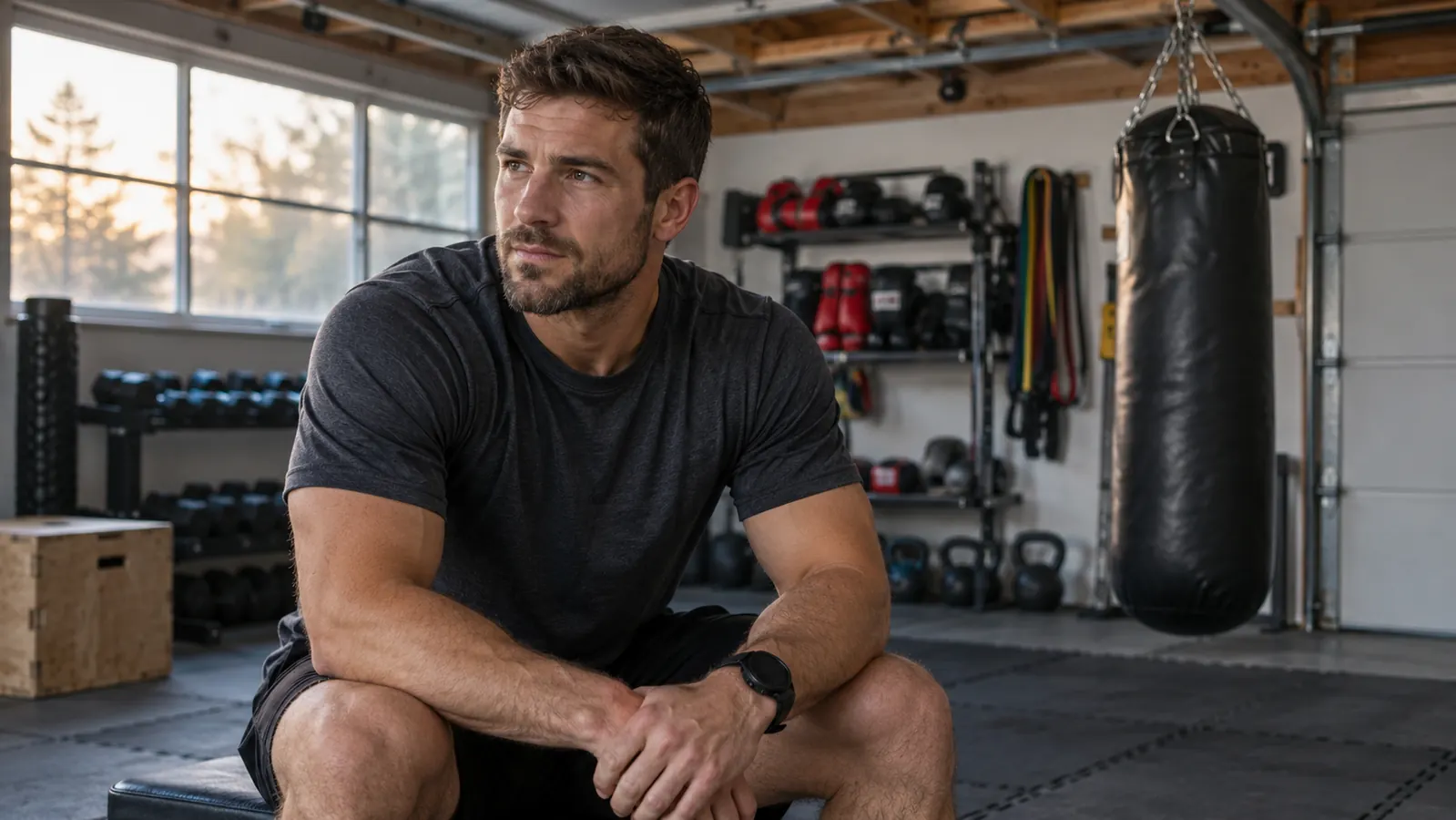
There is a specific kind of buyer who ends up reading a review like this one. You have been training a few months. You own a gi and you are starting to feel at home in it. Then no-gi night arrives and you show up in a cotton t-shirt, and by the second round you have learned two things at once. The shirt is heavy with sweat, and it will not slide under anybody's grips. So you go looking for a rash guard, you see what the grappling-specific brands charge, you see the LAFROI long sleeve compression rash guard sitting well below that, and the obvious question is what the catch is. That is a fair question. I have spent eight months answering it.
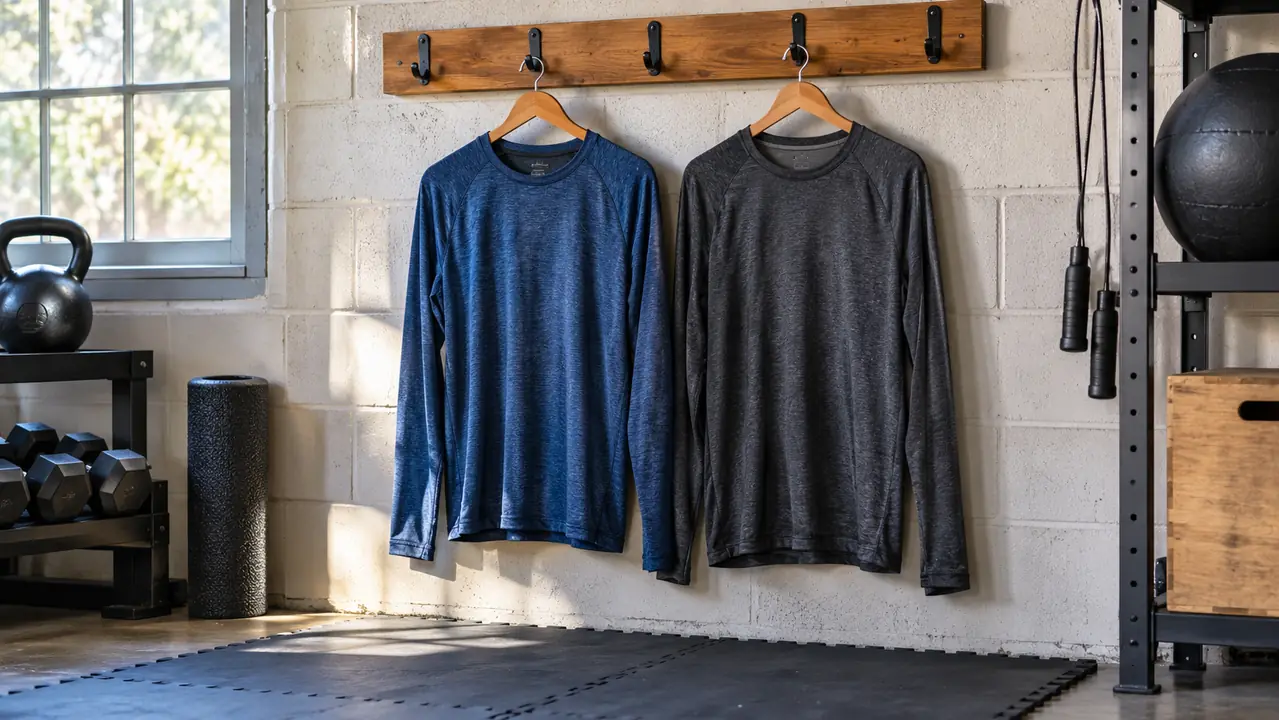
I coach out of a converted warehouse unit in Columbus, Ohio. About forty adults and twenty kids come through the club in a normal week. I have been on the mat around fifteen years, brown belt, with a left knee that reminds me about the meniscus every single morning. I bought two of these shirts about eight months ago, wear one for no-gi jiu-jitsu on Monday and Wednesday nights, wash them cold after every session, and hang them on the rack in my garage to dry. What follows is what actually happened to them, including the parts the listing leaves out.
The Quick Verdict
A thin, honest baselayer doing a rash guard's job for people who do not need the heavy version yet. Eight months in it still works and it already looks used.
Amazon Check Today's Price →Two shirts, eight months of no-gi nights, and neither one has gone see-through
This is the shirt I hand to a new student who is not ready to spend real money on a grappling-specific rash guard. Check the current price and the size chart on Amazon before you order, because the fit is the one thing you cannot fix later.
Amazon Check Today's Price on Amazon →What the LAFROI Rash Guard Actually Is
The listing is unusually plain about it. A men's long sleeve baselayer, UPF 50+, slim fit, crew neck, plain hem cuffs, 0.2 kg on the scale. The occasion list on the product page names boxing, Brazilian jiu-jitsu, MMA, kayaking, outdoors, indoor sports and daily wear, all in the same sentence. Read that list twice, because it tells you exactly what you are buying. This is one shirt designed to work reasonably in a dozen settings, not a grappling shirt engineered for exactly one. The pattern on mine is the asymmetric dragon print, which is printed onto the fabric and has not cracked in eight months of washing.
That distinction matters more than it sounds. A purpose-built jiu-jitsu rash guard is usually a heavier knit, cut for people who spend their evenings being gripped and dragged around. The LAFROI is lighter, sits closer to the skin, and behaves the way a long sleeve swim top behaves. That is not a knock on it. Most of the people who walk into my beginners class do not need the heavy version yet. They need something that does not turn into a wet towel in round two, and this does that job without asking much of them.
At 0.2 kg it is about as light as a long sleeve top gets, and you notice that in a good way when you are packing a gear bag at ten at night for a Tuesday class. It folds down to nothing and it takes up less room than a pair of socks. The two sides of the fabric behave differently too. The outside is smooth and slick, which is the side that lets a hand slide off your forearm instead of knotting into cotton. The inside has a softer, brushed hand against the skin, and that is the part you feel on hour two of a long session. I wore one under a hoodie in the garage for most of the first month before I ever wore it on a club mat. At 5:40 in the morning on concrete, a thin layer plus a hoodie beats a heavy sweatshirt, and by the second week it was clear this was going to be the shirt that lived in the rotation.
What it is not: it is not a medical-grade compression garment, so do not buy it expecting a squeeze that changes how your shoulders feel the next day. It is not cut to let a gi jacket sleeve slide over it comfortably, and I would not wear it under a jacket for a hard round. And the sizing is genuinely slim, which I will get to, because on a shirt like this the fit is where nearly every complaint comes from.
Eight Months of Monday and Wednesday No-Gi
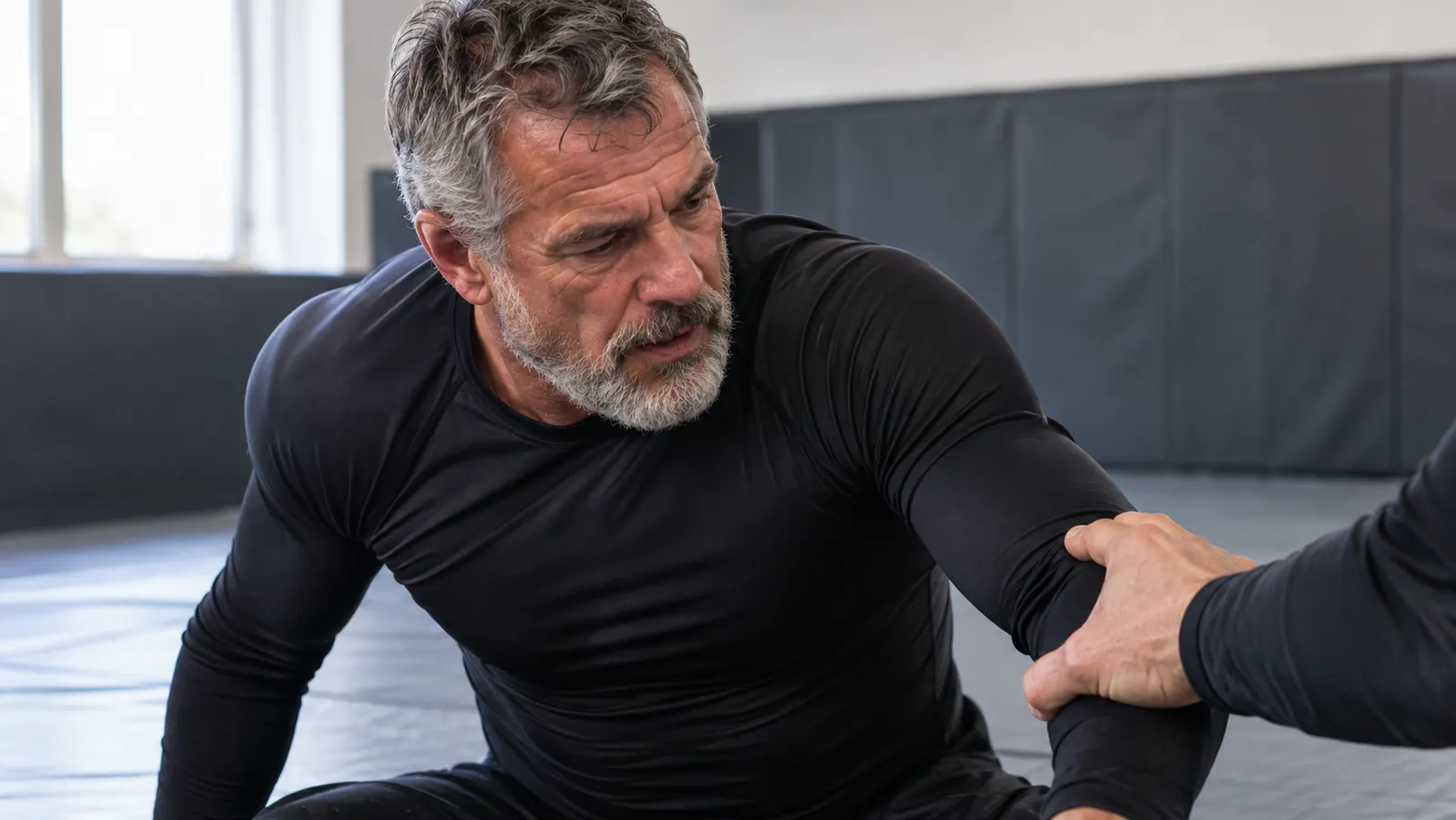
A normal Monday for me is a short warm-up, twenty minutes of drilling, then five or six rounds of positional work and sparring. I am around 185 pounds and I sweat like it. In a cotton t-shirt I am soaked through by round two and the shirt is hanging off my shoulders by round three. The LAFROI stays where I put it. It moves sweat off the skin, it dries quickly between rounds, and it does not grab the mat when I am working out of bottom position. Those three things are most of what a rash guard is actually for, and it does all three.
Eight months in, I have a short list of places I check on any baselayer. The shoulder blades, where the fabric takes the most stretch. The armpits, where cheap knit usually fails first. The hem, which on a long shirt tends to stretch and start riding up. So far the shoulders are still opaque when I hold them up to the light, the armpit stitching has held, and the sleeve cuffs, which are a plain hem with no thumb loops, have not unrolled or frayed. The body has stretched slightly with wear, which is normal for a thin knit and worth knowing if you sit between two sizes.
The wash routine is not complicated and it matters more than most people think. Both shirts get a cold wash with a mild detergent and no fabric softener, because softener coats the fibers and quietly kills the stretch. Then they go on the rack in the garage, never in the dryer. The one time I put a shirt through a warm dryer because I was in a hurry before a Tuesday class, the sleeves came out a little shorter and the body pulled up at the hem. It did not ruin the shirt, but I have not repeated it, and I would not. Hang drying on a rack in a garage takes about four hours in July and closer to eight in February. That is the actual argument for owning two, not one. If you train twice a week and wash after every session, one shirt means you are either washing late at night or wearing something damp.
Where it has aged visibly is the print. The dragon graphic on the shirt I wear more often has dulled at the shoulders, and there is a faint lightening across the upper back that I put down to detergent, sun and eight months of use. Nothing has torn. Nothing has gone transparent. But if you are the sort of person who wants training gear to still look new after a year, this is not that shirt and I would not pretend otherwise.
The Fit Nobody Warns You About
The listing says slim fit and it means slim. I am 185 pounds with an ordinary build, and my normal size sits tight across the chest and shoulders, snug at the waist, and long enough in the body that it stays tucked into my waistband through a round. If you are between sizes, size up. If you carry weight in the middle, size up. If you have spent ten years in a gym and have shoulders that do not fit normal shirts, size up and accept that the waist will be a little loose. The sleeve length is generous, which I like, because a sleeve that creeps up to the elbow is useless to me.
To put something concrete on it, I take a large in this and it is snug across the chest without restricting a full breath, tight through the upper arm, and it ends right at the wrist bone rather than halfway up the forearm. I did not expect that from a baselayer in this bracket. What it does not give you is a single inch of slack at the waist. If you have any belly at all, the hem will ride and you will spend the round tugging at it, and nothing in the size chart warns you about that. My advice is to take a shirt you already own that fits the way you want, lay it flat on the floor, and compare the chest and body length against the chart before you order. Ten minutes with a tape measure saves you a return and two weeks of waiting.
The crew neck deserves a mention. There is no collar to speak of, just a plain neckline, which is what you want under everything and what you want when somebody has a hand on the back of your head. It does not gape and it has not stretched out after repeated pulling. That sounds like a small detail until you have owned the cheap shirt that turned into a wide boat neckline inside two months.
Eight months, two shirts, a cold wash after every session, and neither one has gone see-through across the shoulder blades. On a baselayer at this level, that is the whole ballgame.
I should be clear about what a shirt at this level will not do. It will not stop mat burn. You will still get the raw red patch on your ribs the first time somebody drags you across the mat in it, and it will heal exactly the way it always does. It will not keep you cool in a room that is already ninety degrees, because nothing does. And it will not protect you from a hard grip the way a heavier knit does, because there is simply less fabric between the hand and your skin.
How the LAFROI Sits Next to the Rest of My Gear
I keep two of these in rotation next to a heavier purpose-built grappling shirt, and the division of labour is clear after a few months. The heavier shirt comes out for hard sparring and for anyone who grips like a vice. The LAFROI comes out for drilling nights, for the beginner class where I am demonstrating more than I am rolling, and for cold mornings in the garage when I want a layer under a hoodie while I work the heavy bag. It is the shirt I do not have to think about, which is a compliment in a gear bag.
The other place it has earned a permanent spot is outdoors. When the club runs a Saturday conditioning session in the lot behind the unit, the UPF 50+ rating stops being a line on a product page and starts being the reason I reach for this instead of a t-shirt. Same story the two or three times a summer I get out on a kayak with my son. One shirt covers a no-gi class on Wednesday and a paddle on Saturday, and I do not have to think about which one to pack. That versatility is the entire argument for a multi-sport baselayer, and it is why I stopped hunting for a dedicated grappling shirt for every single session.
I also stopped lending these out. Plenty of my gear goes to students first, but a fitted baselayer is personal in a way that a pair of shin guards is not, and a shirt that has been worn by somebody else never comes back the same shape. If you are buying for a training partner, buy them their own and get the size right in person. That is about as practical a piece of advice as I can give you about a piece of fabric.
The Honest Downsides
The thin knit is the trade. It is comfortable and it dries fast and it costs you protection against a hard grip. If your game is built on collar ties and heavy pressure from the top, you will feel the difference between this and a proper grappling rash guard within one round, and you will not enjoy it. Buy the heavier shirt. This one is for the other kind of session.
The second thing, and I have not seen this written down anywhere, is that a synthetic baselayer accumulates smell over time in a way cotton does not. After about six months, one of mine started holding a faint sour note at the armpits that a normal cold wash stopped clearing. Soaking it for half an hour before washing fixed it. I now do that every few weeks and it has not come back. Worth knowing before you decide the shirt has gone bad.
What I Liked
- Slides under grips instead of grabbing, which is the whole point of a no-gi layer
- Dries fast between rounds and does not hang off you when soaked
- Cold wash and hang dry has kept the fit honest for eight months
- Plain hem cuffs have not frayed, unrolled or stretched out
- UPF 50+ rating makes it genuinely useful for outdoor sessions and kayaking
- Shoulder blades still opaque after roughly seventy washes
Where It Falls Short
- Slim fit punishes anyone who sits between two sizes or carries weight in the middle
- Thin knit gives you very little against a hard, heavy grip
- The printed dragon graphic dulls at the shoulders over months
- No thumb loops, so the sleeves creep up under a jacket or hoodie
- Holds a faint smell after heavy use until you start soaking it before washing
Who This Is For
This is the right shirt for a beginner or an intermediate grappler who is still working out whether they are going to stay, and who does not want to spend grappling-brand money on a layer that gets washed three times a week. It suits anybody who trains no-gi twice a week, drills more than they spar, or wants one long sleeve top that also works for kayaking, outdoor conditioning and cold morning bag work. It also suits the coach who spends half the session demonstrating and wants something light that does not need a second thought. If that is you, order your normal size and size up if you are on the fence.
Who Should Skip It
Skip it if you roll hard four or five nights a week, if your training partners grip like they are trying to tear the sleeve off, or if you compete and want the shirt you will actually wear on the mat. In those cases pay for the heavier purpose-built rash guard and treat this as the backup you keep in the bag. Skip it too if you know you will not read a size chart, because the slim cut is unforgiving and returns are a nuisance. And skip it if you need training gear that still looks new after a year, because the print will not cooperate with that.
The shirt I recommend to students who are not ready to spend like competitors
Two of these have carried me through eight months of Monday and Wednesday no-gi, plus a winter of garage sessions. Buy two so one can dry, wash them cold, hang them up, and check the size chart before you order.
Amazon Check Today's Price on Amazon →