
Three weeks is not a review. It is a first impression. I have read a lot of glove reviews in my life, and nearly all of them were written by somebody who had owned the glove for a month and wanted to tell you it felt great on the bag. That tells you nothing about month eight, when the knuckle foam starts to pack down and the strap has been yanked tight a few hundred times. So this is the version I wanted to read before I bought a pair, and it is the version I would want if I were standing in a changing room trying to decide.
I run a small kickboxing and Brazilian jiu-jitsu club in Columbus, Ohio. I bought these RDX boxing gloves about 14 months ago in the 18 oz size, for my own bag work and partner drills. They are mine. They do not live in the loaner bin, because the loaner bin destroys gear and I wanted to know what these would do over a real stretch of time. Since then they have been on my hands four to five mornings a week on the heavy bag in my garage, plus the Tuesday and Thursday adult kickboxing class. That is the entire basis for what follows. Not a press sample, not a week of testing on a borrowed pair. One coach, one pair, 14 months.
If you want the short version: they have been good gloves, they are not magic gloves, and there are two specific people who should not buy them. I will get to both.
The Quick Verdict
Heavy, honest, and still protecting my knuckles after 14 months of bag work. Buy it for the bag and the pads, not for hand speed, and air it out or it will smell like a locker room by spring.
Amazon Check Today's Price →The Pair That Survived 14 Months of 5 a.m. Bag Rounds
Maya Hide faux leather, multi-layered knuckle padding, and a wraparound strap that locks the wrist without a second set of hands. Check the current sizes and price on Amazon.
Amazon Check Today's Price on Amazon →How I've Actually Used Them
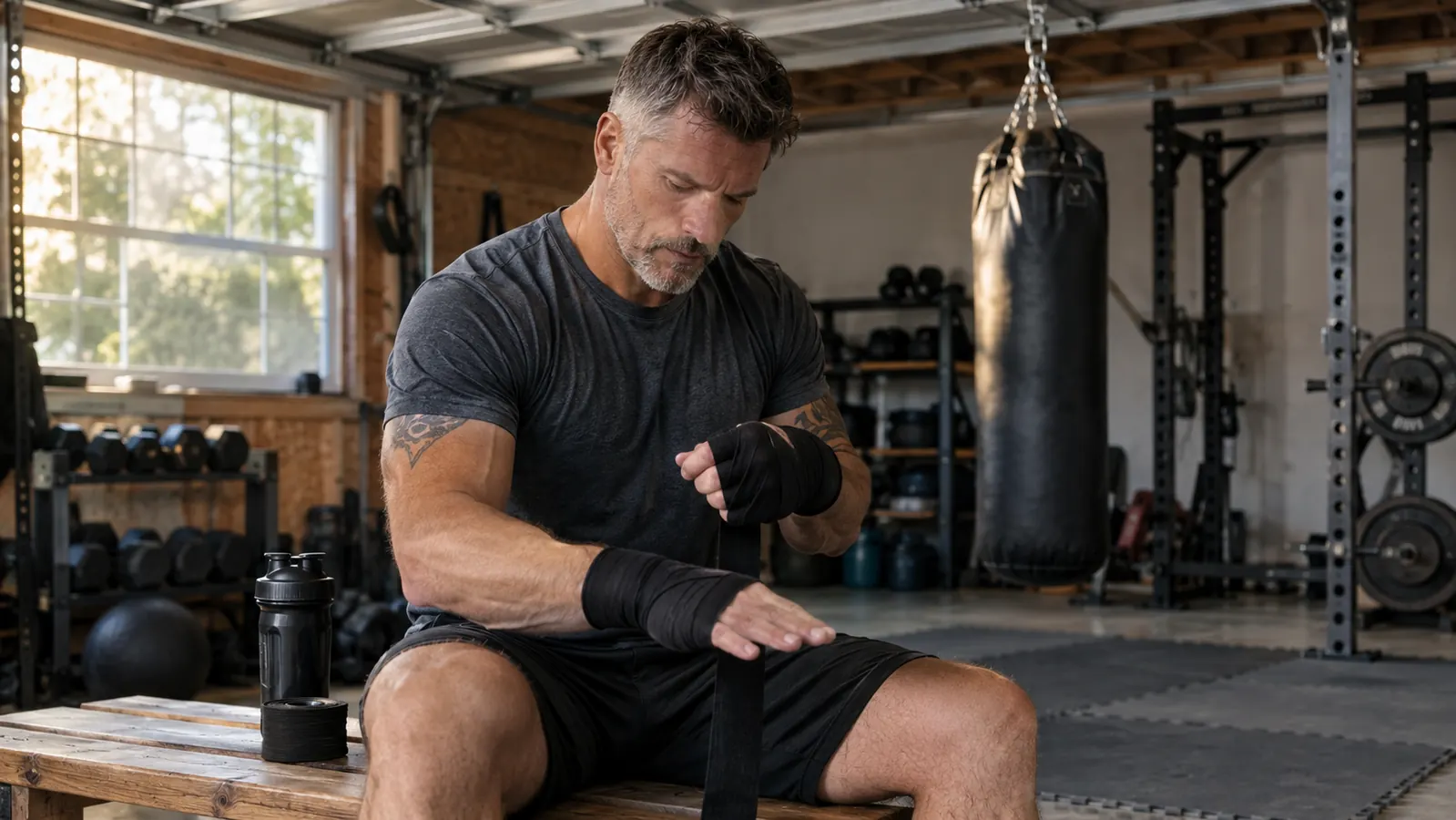
The routine is boring, which is the point. I am in the garage at 5:45 most mornings, before the club opens. Six rounds on the hanging bag, three minutes each, with a minute of footwork or shadowboxing between them. Some mornings it is thirty minutes of straight bag work and nothing else, no timer, no plan, just hitting the thing until my shoulders tell me to stop. Tuesday and Thursday I wear them in class for partner drills on focus mitts and Thai pads with the adult group. That is roughly four to five sessions a week, and it has been that pattern since the week I bought them.
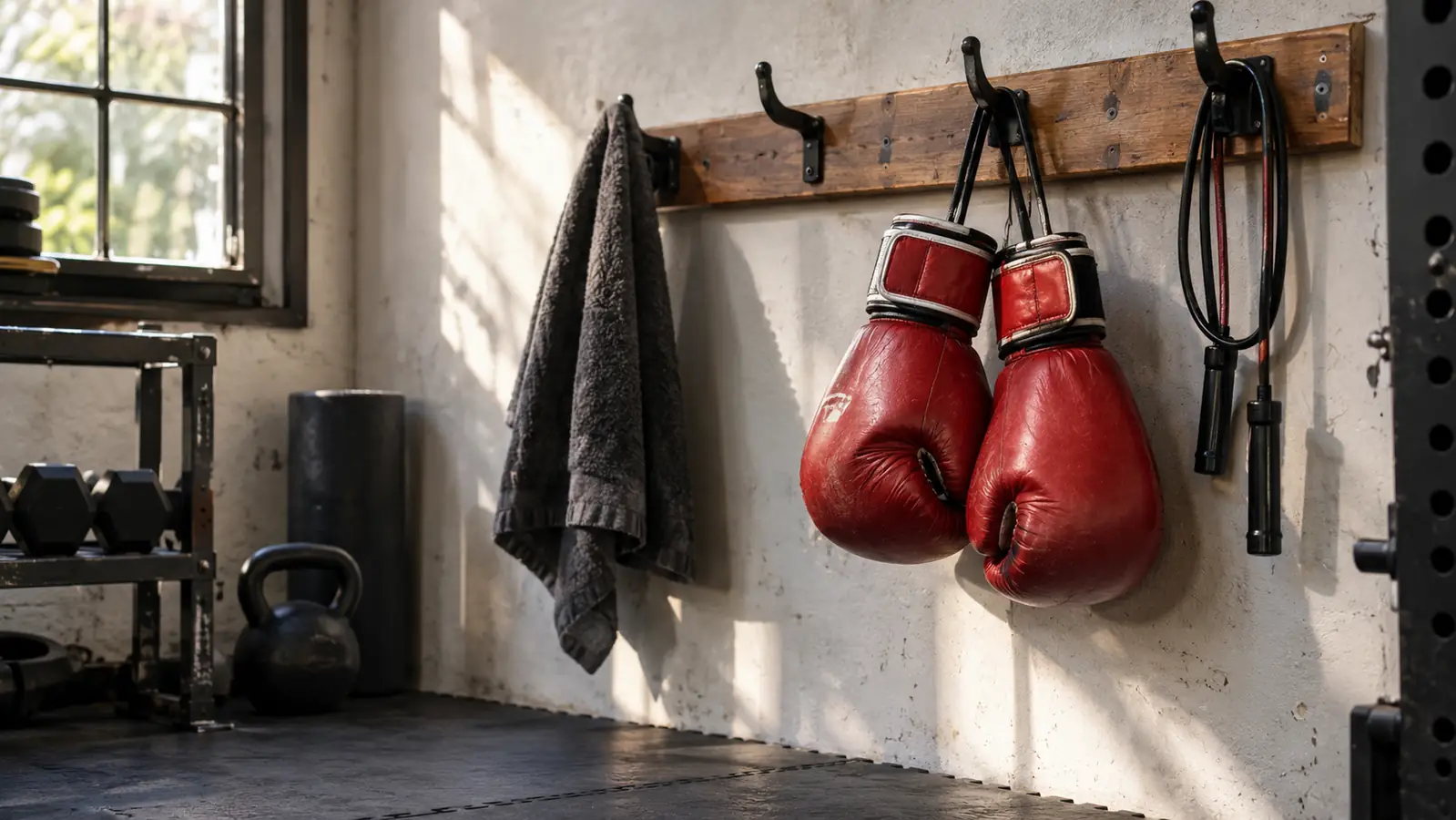
Between sessions they go on the wall rack, palm open, strap loose. The garage is not climate controlled. Columbus summers get humid enough that the concrete sweats, and January mornings are cold enough that the faux leather feels stiff for the first round. Fourteen months of that cycle is a harder test than a climate controlled gym would be, and it is the reason I feel confident saying what I am about to say about the materials.
One thing worth stating plainly before anyone buys: I do not treat these as sparring gloves in the sense of putting a beginner in them for hard contact. They are training gloves. Bag, pads, drills, conditioning. The listing says pro training and sparring, and the bag and pad part of that is accurate. If you are doing hard sparring rounds every week, that is a different conversation and eventually a different glove.
The 18 oz Question Nobody Asks
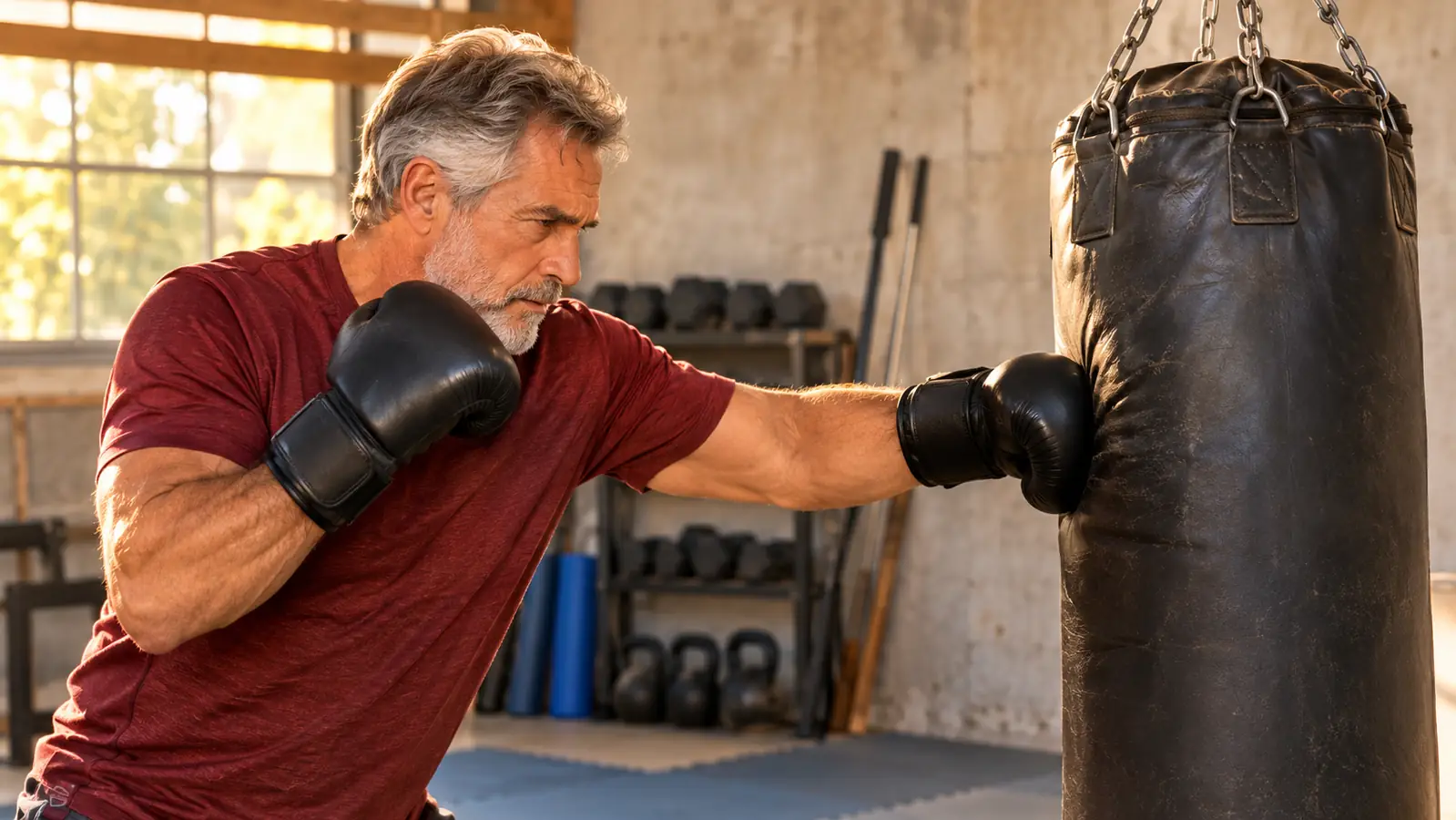
Almost everyone buys 12 or 14 oz. I went with 18 because I wanted weight on my hands for conditioning, and because I am 185 lbs with an old left-knee meniscus that has opinions about how much I should be bouncing around. Eighteen ounces slows your hands down. That is not a flaw in the glove, it is the entire point of the size. The listing puts the item weight at 1.04 kg, and you feel every bit of that in the third round.
What nobody tells you is the cost of that choice. Your hands are visibly slower for the first few weeks. Combinations that felt snappy in lighter gloves feel like you are pushing through water. On hooks especially, you feel the weight sitting at the end of the punch, pulling your arm past where you meant to stop. If your goal is hand speed for competition, an 18 oz glove is the wrong tool, and buying one will teach you a lesson you did not ask for.
The other thing nobody mentions is the pad holder's experience. An 18 oz glove is a big target. My training partners had to adjust where they held the mitts because the strike surface is wider than they were used to, and one of them took a glove across the forearm during a hook drill before we sorted it out. After a couple of sessions it stopped mattering. There was an awkward week in there, though, and if you drill with the same partner every week you should expect it.
The Pre-Curved Fist, the Palm Vent, and What They Actually Change
The listing talks about a pre-curved anatomical structure and a design aimed at helping you form a fist. Stripped of the marketing language, what that means in practice is that the glove holds a slight curl on its own. You are not fighting the padding to close your hand at the end of a long round. On hooks, and on the bag when your shoulders are cooked in round five, that matters more than it sounds like it would. It is a small thing that shows up exactly when you are too tired to compensate for a glove that will not curl.
Where it matters less is straight punches. A jab is a jab. I did not notice the shape helping or hurting there, and I would be suspicious of anyone who claims a glove changed their cross. If you are buying these for the fist-forming feature alone, understand that it is a comfort improvement, not a change in how you punch.
The ventilated palm is the other feature I have a real opinion about, because I have tested it the hard way. It moves air. On a humid July morning in a garage with the door half open, that is worth something, because heat builds inside a glove faster than most people expect. What it does not do is keep the glove dry. Sweat still ends up inside. The vent slows the build up and gives moisture somewhere to go, and that is the honest limit of it. A ventilated palm is not a substitute for taking your gloves out of the bag.
Four mornings a week on a heavy bag for 14 months, and the knuckle foam has softened, not collapsed. That is the whole verdict.
The Strap, the Wrist, and the One Annoyance
The strap is a full wraparound hook-and-loop design, and it does what the listing says it does. I can get my wrist locked down tight on my own, without a partner pulling it, which matters on early mornings when I am the only person in the garage and there is nobody to help. My left wrist has taken a lot of wear over the years from holding pads and catching bad kicks, and it has not complained once in these gloves. That is the single most useful thing I can tell you about the wrist support.
The annoyance is the break-in. Out of the box the strap is stiff, and for the first couple of weeks getting it tight enough felt like a two-handed job. I would stand there wrestling with it before a session like an idiot. It softens. By week three it was a one-pull job and I stopped thinking about it, but if you are the kind of person who expects gear to be perfect on day one, it is worth knowing.
The second annoyance is smaller and entirely my own fault. If I leave the strap end hanging instead of tucking it back, it catches on the bag on hooks. Some people will never notice this. I noticed it about forty times before I started tucking it properly, and now I notice it when I watch students make the same mistake.
Where the Foam Stands at 14 Months
This is the part most reviews cannot tell you, because most reviews are written too early. The multi-layered knuckle padding has softened. Not collapsed, softened. I can feel the difference when I press my thumb into the knuckle area compared to how firm it was when the gloves were new. On the bag it still protects well. I finished a session this morning with no knuckle soreness, and that has been true all year, including the weeks when I was hitting harder than I should have been for a 44 year old with a day job.
What I would say about sparring is this. A glove past a year old is worth watching, not worth throwing out. I have used these in controlled partner drills and they were fine, no sting through the padding, nothing that made me worry about my hands. If I were doing hard sparring rounds several times a week, I would be checking the padding more carefully and probably rotating in a fresher pair for that specific work. Foam is a consumable. Anyone who tells you otherwise is selling something, and it is usually a glove.
On the outside, the Maya Hide faux leather has scuffed, mostly across the striking surface and around the thumb, and it has held together. I want to be careful here, because faux leather is not real leather and I would not pretend otherwise. It does not develop a patina, it does not smell like a saddle, and it will not outlive you. But for a training glove that gets thrown on a rack four mornings a week in an unheated garage, the RDX pair has done its job without splitting or peeling anywhere I can find.
What I Liked
- Holds a closed fist on its own, which you feel most in the last rounds of bag work
- Multi-layered knuckle padding still protects after 14 months of heavy bag use
- Full wraparound hook-and-loop strap locks the wrist without needing a partner
- Ventilated palm moves real air on humid garage mornings
- Maya Hide faux leather has scuffed but held together through daily rack storage in an unheated garage
Where It Falls Short
- 18 oz slows your hands down, and there is no way around that
- The palm vent is where the smell starts if you bag them while damp
- Strap is stiff for the first couple of weeks and takes two hands to tighten
- Big strike surface takes pad holders a session or two to adjust to
- Faux leather runs warm inside, vent or no vent
What I'd Change
Two things, and neither is a dealbreaker. I would soften the strap out of the box, because that break-in period is unnecessary friction on a glove that otherwise works immediately. And I would put a small tab inside the cuff to hang them from, because right now I drape mine over the rack and one of them always slides off onto the floor overnight. That is a two cent fix that would make a good glove slightly better.
The smell is the one thing I would warn a new buyer about above everything else. Not because these gloves are worse than others, but because the ventilated palm gives you a false sense that air is moving and everything is fine. Leave an 18 oz glove in a closed bag overnight after a July session and you will learn what I mean. Mine have never got there because they go on the rack within five minutes of me taking them off. If you cannot commit to that, buy something cheaper and plan to replace it.
Who This Is For
This is a good glove for someone who hits a heavy bag three to five times a week and wants their knuckles protected without going to real leather money. It suits adults doing Muay Thai, kickboxing or boxing conditioning classes. It suits a coach who spends his week holding pads and hitting the bag rather than competing. It suits anyone who wants a heavy conditioning glove and understands that heavy means slow. If you are around 160 lbs and hitting a bag twice a week, the 14 oz is probably the better call and I would not argue with you. The RDX sizing runs the way you would expect, so buy the size that matches your bodyweight and your training, not the size your friend uses.
It also suits the person who has already ruined one cheap pair. The first gloves most people buy fall apart at the seam or go flat at the knuckle inside six months. If you are tired of that cycle, this is a reasonable step up without jumping to a competition glove you do not need.
Who Should Skip It
Skip it if you need hand speed for competition, because 18 oz is a conditioning tool and nothing else. Skip it if hard sparring is your main training, because you want a dedicated sparring glove you can inspect often and replace yearly. Skip it if you cannot be bothered to air gear out, because no ventilated palm saves a glove that lives in a closed bag overnight. Skip it if you want real leather, because this is faux leather and it behaves like faux leather. And skip it if you are buying for a child, since even the smallest size here is a lot of glove for a young hand and the kids in my class do better in purpose made youth gear.
Still the Pair I Reach For on Bag Days
If you want a heavy training glove that protects your knuckles and locks your wrist, this is a straightforward buy. Check the size chart before you order, because the jump to 18 oz is bigger than most people expect.
Amazon Check Today's Price on Amazon →